 🖤 BLACK FRIDAY SALE: Get the Christmas Cookbook for only
This post may contain affiliate links. As an Amazon Associate, I earn from qualifying purchases at no extra cost to you.
Table of Contents
🍴 Top Kitchen Essentials You'll Love


Introduction to Homemade Ciabatta Bread
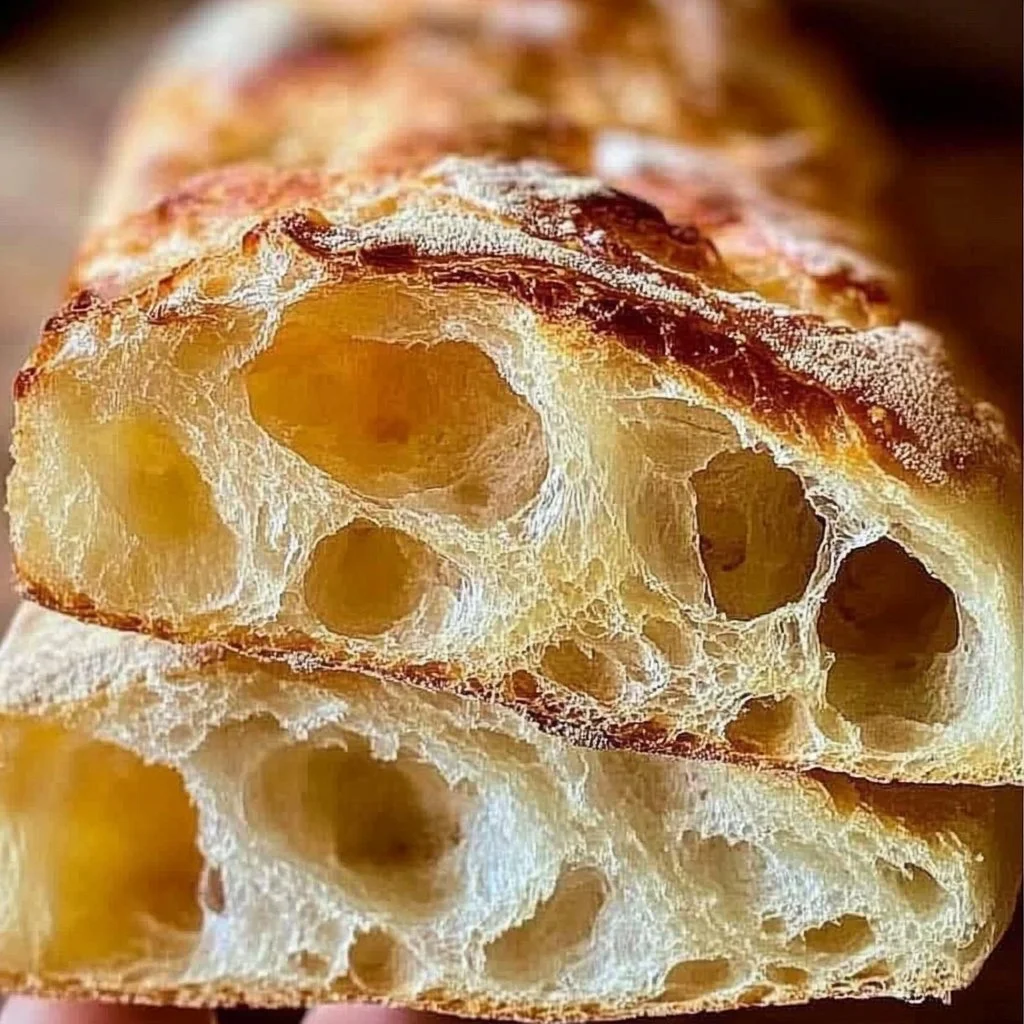
Imagine the delightful aroma of freshly baked bread wafting through your kitchen. Homemade Ciabatta Bread has a way of transforming an ordinary day into something special. But what is it about this rustic bread that makes it irresistible? The answer lies in its perfect crust and airy interior, achieved through a simple yet effective process.
This recipe for Homemade Ciabatta Bread stands out because of its long fermentation period. While it may take time, the results are well worth the wait. Each bite delivers a chewy texture and a flavor profile that only a slow-rise dough can achieve. Have you ever wanted a bread that pairs well with various meals yet shines on its own? This bread does just that.
The ease of making Homemade Ciabatta Bread is also worth mentioning. With only five basic ingredients and minimal hands-on time, even novice bakers can achieve success. Have you ever been intimidated by bread-making? Fear not; with a little patience, you will have a beautiful loaf that would impress any artisan baker.
Beyond its simplicity, the Homemade Ciabatta Bread is customizable. You can incorporate herbs, cheese, or even olives to match your taste preferences or the occasion. Whether you’re hosting a dinner party, preparing a cozy family meal, or just enjoying a quiet weekend, this bread fits right in.
Key Benefits of Homemade Ciabatta Bread
Why You’ll Love This Recipe
- Delicious Flavor: The long fermentation creates a complex flavor you can’t replicate with quick breads.
- Simple Ingredients: Just five basic ingredients make this recipe accessible for everyone.
- Versatility: Perfect as a side, sandwich base, or even as a main component of a meal.
- Creative Freedom: The recipe allows for various additions and toppings, making each loaf uniquely yours.
- Artisan Quality: With its rustic appearance, it looks as good as it tastes, elevating any meal.
- Satisfying Process: The technique of working with dough can be meditative and rewarding.
What Makes It Stand Out
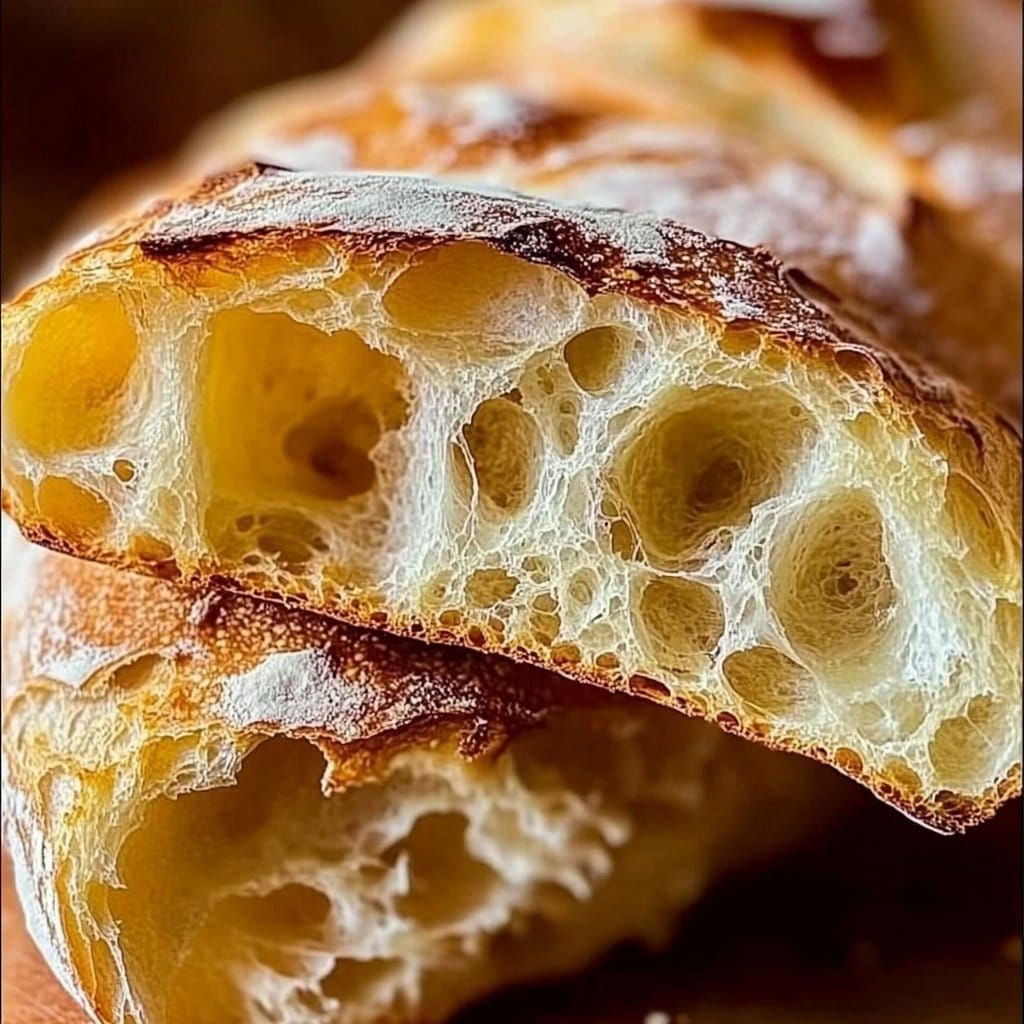
Homemade Ciabatta Bread distinguishes itself through its unique texture. The loose dough and high hydration levels lead to airiness and the iconic open crumb, making it an absolute delight to eat. This bread’s rustic look, with its irregular holes and crusty exterior, adds an artisan touch to homemade bread.
Customization options make the Homemade Ciabatta Bread versatile for any meal or occasion. Whether you prefer traditional flavors like rosemary and garlic or adventurous ones like sun-dried tomatoes and feta cheese, this bread can adapt to your tastes. It can be served at festive gatherings, intimate dinners, or casual picnics—its charm never fades.
Ingredients for Homemade Ciabatta Bread
Complete Ingredient List with Measurements
- 4 cups all-purpose flour
- 1 1/2 cups water
- 2 teaspoons salt
- 1 teaspoon active dry yeast
Substitutes and Alternatives
If you have dietary restrictions or allergies, there are several substitutes for Homemade Ciabatta Bread. For gluten-free options, consider using a gluten-free all-purpose flour blend that contains xanthan gum. For those who prefer a different type of flour, bread flour can enhance the bread’s chewiness.
When it comes to yeast, instant yeast can be swapped for active dry yeast, but you might not need to activate instant yeast in water beforehand. If you’re looking to lower the sodium content, reduce the amount of salt or replace it with a salt substitute, keeping in mind that it may alter the flavor subtly.
How to Make Homemade Ciabatta Bread – Step-by-Step Directions
Step 1 – Prepare Ingredients
Start by gathering your ingredients. Measure out 4 cups of all-purpose flour, 1 1/2 cups of water, 2 teaspoons of salt, and 1 teaspoon of active dry yeast. This prep helps streamline your baking process.
Step 2 – Mix Dry Ingredients
In a large mixing bowl, combine the flour, salt, and yeast. Stir these dry ingredients together until they are evenly mixed. This will ensure that the yeast and salt are distributed throughout the flour.
Step 3 – Gradually Add Water
Slowly pour the water into the dry mixture while stirring with a wooden spoon or spatula. Keep mixing until the mixture comes together to form a shaggy, sticky dough. The high hydration is what makes the bread so airy and chewy.
Step 4 – Cover and Rise
Once the dough forms, cover the bowl with a damp cloth or plastic wrap. Allow it to rise at room temperature for 12-18 hours. This long fermentation develops the flavor and texture, so resist the temptation to rush this step.
Step 5 – Preheat Oven and Prepare Baking Surface
About 30 minutes before you plan to bake, preheat your oven to 450°F (232°C). Place a baking stone or inverted baking sheet in the oven. This will help create the hot surface needed for a crispy crust.
Step 6 – Shape the Dough
After the rising period, dust a clean work surface with flour. Carefully turn the dough out onto the floured surface, being gentle to maintain the air bubbles within the dough. Shape it into a rough rectangle, folding the edges in slightly.
Step 7 – Let It Rest
Once shaped, cover the dough with a kitchen towel and let it rest for 30 minutes. This intermittent rest allows the gluten to relax, making it easier to transfer to the baking surface.
Step 8 – Transfer and Bake
After the resting period, carefully transfer the dough onto the hot baking stone or baking sheet. Use a spatula if needed. Bake for 20-25 minutes or until the crust has turned a beautiful golden brown.
Step 9 – Cool the Bread
Once done baking, remove the bread from the oven and let it cool on a wire rack. Cooling allows the crust to firm up and makes slicing easier.
Step 10 – Slice and Enjoy
After the loaf has cooled to room temperature, it’s time to slice! Enjoy your Homemade Ciabatta Bread with olive oil, balsamic vinegar, or as a base for a delicious sandwich.
Serving Suggestions for Homemade Ciabatta Bread
Best Occasions to Serve This Dish
Homemade Ciabatta Bread is perfect for various occasions, from family dinners to holiday feasts. Its hearty nature makes it an excellent companion for robust dishes like stews and soups, giving a delightful contrast to their richness. Additionally, consider serving it alongside cheese and charcuterie boards during get-togethers, as it complements various flavors beautifully.
What to Serve With It
Ciabatta pairs wonderfully with a range of foods. Serve it with a side of rich olive oil and balsamic vinegar for dipping, or use it to make sensational sandwiches. Top it with fresh tomatoes and basil for a Caprese-style creation, or load it up with meats and cheeses for a satisfying meal. Don’t forget to consider drinks; a nice red wine can elevate your dining experience.
How to Store Homemade Ciabatta Bread Properly
Best Storage Practices
To keep your Homemade Ciabatta Bread fresh, store it at room temperature in a paper bag or wrapped in a clean kitchen towel. Avoid plastic bags, as they trap moisture and lead to a soggy crust. If you plan to store it for more than a few days, consider freezing it.
Reheating and Freezing Tips
For freezing, slice your bread, then wrap each piece individually in plastic wrap, followed by aluminum foil. This prevents freezer burn. When ready to enjoy, thaw at room temperature or pop it in a toaster for a quick refresh. For reheating, place it in a preheated oven at 350°F (175°C) for a few minutes to restore its crusty exterior.
Tips & Tricks for Homemade Ciabatta Bread
Mistakes to Avoid
1 – Not Enough Water
A common mistake is using too little water, leading to dry dough. Always ensure your ratios are precise for the best results.
2 – Under or Over Fermentation
Keep an eye on fermentation time. Too short and your crumb will be dense; too long and the dough may over-proof.
3 – Skipping the Resting Phase
Neglecting to let the dough rest after shaping can inhibit the rise and result in a denser loaf.
4 – Not Using a Hot Baking Surface
Baking on a cool surface can lead to underdeveloped crust. Investing in a baking stone or preheating a baking sheet is crucial.
5 – Slicing Too Soon
Cutting into the bread before it cools will result in a gummy texture. Patience is key; allow the loaf to cool completely.
Extra Tips for Better Results
To enhance flavor, consider adding herbs like rosemary or thyme to the dough during the mixing phase. For an appealing appearance, brush the top with water before baking to promote crustiness. If you prefer a more pronounced flavor, experiment with high-protein flours or even incorporate a little sourdough starter for a tangy twist.
Recipe Variations of Homemade Ciabatta Bread
Creative Twists
For a twist on the classic, try adding roasted garlic and herbs. Simply fold in roasted garlic cloves and fresh herbs to the dough before the first rise. For a sweet variation, consider incorporating dried fruits and a touch of honey for a delightful breakfast bread.
A cheese-filled ciabatta is another creative option; fold in grated cheese like Parmesan or Mozzarella during the shaping process. These additions can turn a simple loaf into something spectacular.
Dietary Adjustments
If you’re vegan, this recipe is naturally suitable, as there are no animal products involved. For gluten-free variations, utilize a gluten-free all-purpose baking mix, keeping in mind that texture may vary. Additionally, for those needing a dairy-free option, there are no dairy ingredients in the original recipe.
Conclusion about Homemade Ciabatta Bread
Homemade Ciabatta Bread not only fills your home with an irresistible aroma but also delivers a delicious, artisanal loaf you can be proud of. Its unique texture and amazing flavor make it perfect for any meal or gathering. Whether enjoyed on its own, paired with a meal, or dressed up with delicious toppings, this bread stands out in any setting.
By embracing the process of making Homemade Ciabatta Bread, you create more than just a loaf; you make lasting memories. With perseverance, patience, and a few simple ingredients, you can elevate your baking game and surprise family and friends with your culinary skills. Try out this recipe today and experience the joy of homemade bread that is truly special.
FAQs about Homemade Ciabatta Bread
Can I make this bread ahead of time?
Yes, you can prepare the dough the night before and let it rise overnight. In the morning, shape and bake it.
How do I store leftover ciabatta?
Store any leftover ciabatta at room temperature in a paper bag or kitchen towel. For longer storage, freeze slices.
Can I freeze ciabatta bread?
Absolutely! Wrap individual slices in plastic followed by foil to prevent freezer burn before freezing.
How do I reheat ciabatta bread?
Reheat slices in a toaster or place them in a preheated oven at 350°F (175°C) for a few minutes until warm.
What can I add to the dough for flavor?
Herbs, cheese, olives, or sun-dried tomatoes can be added during the mixing phase for flavor variations.
Is it necessary to use a baking stone?
While not mandatory, a baking stone helps create a crispy crust. If you don’t have one, an inverted baking sheet can work.
Can I substitute the all-purpose flour?
Yes, bread flour can be used for a chewier texture. Gluten-free flour blends can work too, though results may vary.
What if my dough isn’t rising?
Ensure your yeast is fresh and kept in a warm place. Insufficient heat or old yeast can hinder the rising process.

Homemade Ciabatta Bread
Ingredients
Main ingredients
- 4 cups all-purpose flour Can substitute with bread flour for chewier texture
- 1.5 cups water Room temperature, adjust based on dough consistency
- 2 teaspoons salt Can use a salt substitute if desired
- 1 teaspoon active dry yeast Instant yeast can replace active dry without activation
Instructions
Preparation
- Gather and measure out the 4 cups of all-purpose flour, 1 1/2 cups of water, 2 teaspoons of salt, and 1 teaspoon of active dry yeast.
- In a large mixing bowl, combine the flour, salt, and yeast.
- Stir the dry ingredients together until evenly mixed.
- Slowly pour the water into the dry mixture while stirring with a wooden spoon or spatula.
- Keep mixing until the mixture comes together to form a shaggy, sticky dough.
Fermentation
- Cover the bowl with a damp cloth or plastic wrap and allow it to rise at room temperature for 12-18 hours.
Baking
- About 30 minutes before baking, preheat your oven to 450°F (232°C) and place a baking stone or inverted baking sheet in the oven.
- Dust a clean work surface with flour and carefully turn the dough out onto the floured surface.
- Shape the dough into a rough rectangle, folding the edges in slightly.
- Cover the dough with a kitchen towel and let it rest for 30 minutes.
- Transfer the dough onto the hot baking stone or baking sheet and bake for 20-25 minutes or until golden brown.
- Remove the bread from the oven and let it cool on a wire rack.
- Once cooled, slice and enjoy your Homemade Ciabatta Bread.