

This post may contain affiliate links. As an Amazon Associate, I earn from qualifying purchases at no extra cost to you.
Table of Contents
🍴 Top Kitchen Essentials You'll Love



Introduction to Honey Buttercream Frosting
If you’ve ever dreamed of a frosting that captures the essence of sweetness and richness, then look no further than Honey Buttercream Frosting. This delightful frosting is an indulgent treat that elevates any baked good. Whether you’re frosting a scrumptious cake or slathering it on cupcakes, Honey Buttercream Frosting brings a touch of sophistication and homey charm to each bite.
Have you ever wondered what makes a frosting truly special? It’s all about balance of flavor and texture. The buttery creaminess of this recipe pairs beautifully with the light, floral notes of honey. Not only does Honey Buttercream Frosting taste divine, but it’s also surprisingly easy to whip up, making it a go-to for both novice bakers and seasoned pros.
One of the hallmarks of Honey Buttercream Frosting is its versatility. It complements a range of flavors, from rich chocolate cakes to light vanilla cupcakes. Imagine sinking your teeth into a slice of freshly baked cake, topped with a generous swirl of this luscious frosting. The combination is, without a doubt, heavenly. Plus, it’s made with wholesome ingredients, making it a more natural choice for your desserts.
What truly sets Honey Buttercream Frosting apart is its unique ability to personalize your desserts. You can adjust it based on your preferences or dietary needs, while the simple ingredients make it an easy endeavor in the kitchen. This recipe isn’t just a frosting; it’s a culinary experience that brings moments of joy to the dining table.
Key Benefits of Honey Buttercream Frosting
Why You’ll Love This Recipe
- Delicious Flavor: The combination of creamy butter and honey creates a rich sweetness that’s simply irresistible.
- Easy to Make: With just a few ingredients and straightforward steps, anyone can master this frosting.
- Versatile Uses: Perfectly complements cakes, cupcakes, cookies, and more.
- Natural Sweetener: Honey provides a natural sweetness that many prefer over refined sugars.
- Customizable: Easily adjust the consistency or flavor to suit your needs.
- Wholesome Ingredients: Made from simple, real ingredients that you may already have at home.
What Makes It Stand Out
What truly makes Honey Buttercream Frosting stand out is its unique incorporation of honey, which adds a depth of flavor not found in typical buttercreams. The floral notes of honey add complexity, making it perfect for a range of desserts.
Customization is also key with this frosting. You can introduce spices like cinnamon or a splash of citrus zest for a distinctive twist. This flexibility makes it a wonderful choice for special occasions or casual gatherings. Whether you’re celebrating a birthday or simply want to treat yourself, Honey Buttercream Frosting enhances any dessert’s appeal.
Ingredients for Honey Buttercream Frosting
Complete Ingredient List with Measurements
- 1 cup unsalted butter, softened: Provides the creamy base.
- 1/2 cup honey: Natural sweetener that adds flavor.
- 4 cups powdered sugar: Gives the frosting its structure and sweetness.
- 2-4 tablespoons heavy cream or milk: Adjusts the consistency for spreading.
- 1 teaspoon vanilla extract: Enhances the overall flavor.
Substitutes and Alternatives
If you have dietary restrictions or preferences, there are several substitutions you can consider. For those who are vegan, using coconut oil in place of the butter creates a dairy-free option that still maintains a creamy texture. Alternatively, agave nectar can replace honey for a vegan sweetener.
For those with gluten concerns, this recipe is naturally gluten-free since it does not contain any wheat products. If powdered sugar is a concern, many grocery stores offer gluten-free versions that maintain the necessary texture for an excellent frosting.
How to Make Honey Buttercream Frosting – Step-by-Step Directions
Step 1 – Prepare Ingredients
Start by gathering all your ingredients. Make sure the butter is softened to room temperature, as this will help create a smooth frosting. If the butter is too hard, it could result in a lumpy texture.
Step 2 – Cook the Base
In a large mixing bowl, beat the softened butter with a hand mixer or stand mixer on medium speed. Continue mixing until the butter becomes creamy and smooth, typically about 2 minutes.
Step 3 – Add the Honey
Once the butter is fluffy, add the honey into the bowl. Mix on medium speed until well combined, ensuring that the honey is fully incorporated into the butter’s creaminess.
Step 4 – Gradually Add the Powdered Sugar
With the mixer on low speed, gradually add the powdered sugar, about one cup at a time. This process helps to prevent the sugar from making a mess in your kitchen. Mix until each addition is fully incorporated before adding more sugar.
Step 5 – Add Liquid Ingredients
After all the powdered sugar has been incorporated, add in the heavy cream or milk along with the vanilla extract. This is where you can adjust the consistency of your frosting. Beat on high speed until fluffy and smooth, typically 3-4 minutes.
Step 6 – Adjust Consistency
Check the texture of your Honey Buttercream Frosting. If it’s too thick, add an extra tablespoon of cream or milk until you reach your desired consistency. If it’s too thin, add a little more powdered sugar until it thickens.
Step 7 – Taste for Flavor
Before serving, taste a bit of the frosting. You can adjust the sweetness level by adding more honey or powdered sugar according to your preference.
Step 8 – Frost Your Desserts
Now your Honey Buttercream Frosting is ready to use! Spread it generously on your cakes or cupcakes, making sure to create beautiful swirls and peaks for a professional look.
Step 9 – Store Any Leftovers
If you have some frosting left over, consider storing it for future use. Allow it to cool before transferring it to an airtight container.
Serving Suggestions for Honey Buttercream Frosting
Best Occasions to Serve This Dish
Honey Buttercream Frosting is perfect for birthdays, weddings, or any celebration needing a sweet touch. Its delightful flavor appeals to both young and old alike, making it a hit for family gatherings or potlucks.
You can also use it for everyday occasions, such as adding a special touch to your morning muffins or afternoon cakes. No matter the event, this frosting is sure to impress and satisfy your sweet tooth.
What to Serve With It
Honey Buttercream Frosting pairs beautifully with classic vanilla or chocolate cakes. You can also use it to top spice cakes, banana bread, or even pancakes for a delightful breakfast twist. For a richer treat, serve it alongside chocolate cupcakes or even as a dip for fruits.
How to Store Honey Buttercream Frosting Properly
Best Storage Practices
Proper storage is vital to maintain the freshness of your Honey Buttercream Frosting. If you plan to use it later, store any leftover frosting in an airtight container. It can be kept in the refrigerator for up to a week.
If you need to store it for longer, consider freezing it. Just ensure it’s in an airtight container, and label with the date. Frozen Honey Buttercream Frosting can last up to three months in the freezer.
Reheating and Freezing Tips
When you’re ready to use your frozen frosting, allow it to thaw in the refrigerator overnight. Once thawed, take the frosting out and let it sit at room temperature for about 30 minutes. Give it a good stir or beat it with a mixer to restore its original fluffy texture.
Tips & Tricks for Honey Buttercream Frosting
Mistakes to Avoid
- Not Soften the Butter: Using cold butter can lead to a lumpy texture.
- Skipping the Gradual Sugar Addition: Adding too much sugar at once can result in a messy kitchen.
- Ignoring Flavor Adjustments: Always taste your frosting to ensure it has the right sweetness.
- Not Storing Properly: Leaving it out can cause it to spoil quickly.
- Overmixing After Adding Sugar: This can lead to a grainy texture if whipped too long.
Extra Tips for Better Results
For enhanced flavor, consider adding a pinch of sea salt to balance the sweetness. You can also incorporate extracts like almond or coconut for a unique twist. Additionally, using a piping bag can help create beautiful designs when frosting cupcakes or cakes.
Recipe Variations of Honey Buttercream Frosting
Creative Twists
Consider adding mix-ins like crushed nuts or chocolate chips for added texture. You can also incorporate fruits like pureed strawberries or raspberries for a fruity twist to your frosting. For a bit of spice, a dash of cinnamon or nutmeg can give your Honey Buttercream Frosting an aromatic flavor.
Dietary Adjustments
For a vegan version, switch out the butter for a plant-based alternative and use maple syrup instead of honey. If you want a gluten-free option, ensure that your powdered sugar is labeled gluten-free, and you are all set.
Conclusion about Honey Buttercream Frosting
In conclusion, making Honey Buttercream Frosting is not only simple but incredibly rewarding. Its delightful flavor combined with its creamy texture makes it a crowd favorite for any occasion. Whether you’re a novice or an experienced baker, this recipe allows you to whip up something that is both elegant and delicious.
By choosing wholesome ingredients like honey, you’re not just treating your taste buds, but also making a more natural choice for your desserts. You’ll find that Honey Buttercream Frosting will quickly become your go-to frosting for cakes, cupcakes, and even cookies. So why not give it a try? You won’t be disappointed!
FAQs about Honey Buttercream Frosting
Can I make Honey Buttercream Frosting in advance?
Yes, you can make it ahead of time and store it in the refrigerator for up to a week.
How do I use my Honey Buttercream Frosting to decorate cakes?
Use a piping bag for beautiful designs. Simply fill the bag with frosting, cut a small opening, and decorate your cake as desired.
What happens if my frosting is too runny?
You can add more powdered sugar to thicken it. Mix gradually until you achieve your desired consistency.
How should I store leftover Honey Buttercream Frosting?
Store it in an airtight container in the refrigerator for up to a week or freeze it for longer storage.
Can I substitute honey for something else?
Yes, you can use agave syrup or maple syrup if you prefer. Each will alter the flavor slightly.
Is Honey Buttercream Frosting dairy-free?
No, this recipe contains butter. For a dairy-free version, use a plant-based butter substitute.
Can I freeze Honey Buttercream Frosting?
Yes, it freezes well! Just store it in an airtight container and label with the date.
How do I bring frozen frosting back to its original texture?
Thaw it in the refrigerator overnight, then let it sit at room temperature before re-whipping until smooth.
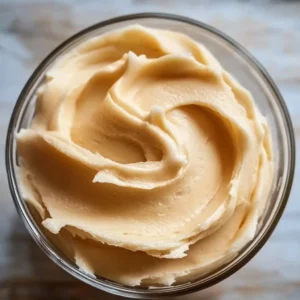
Honey Buttercream Frosting
Ingredients
Frosting Base
- 1 cup unsalted butter, softened Provides the creamy base.
- ½ cup honey Natural sweetener that adds flavor.
- 4 cups powdered sugar Gives the frosting its structure and sweetness.
Liquid Ingredients
- 2-4 tablespoons heavy cream or milk Adjusts the consistency for spreading.
- 1 teaspoon vanilla extract Enhances the overall flavor.


Instructions
Preparation
- Start by gathering all your ingredients, ensuring the butter is softened to room temperature.
- In a large mixing bowl, beat the softened butter with a hand mixer or stand mixer on medium speed until creamy and smooth, about 2 minutes.
- Add the honey and mix on medium speed until well combined.
- Gradually add the powdered sugar, one cup at a time, mixing on low speed until each addition is fully incorporated.
- Add in the heavy cream or milk and vanilla extract, then beat on high speed until fluffy and smooth, about 3-4 minutes.
- Adjust the consistency if necessary by adding more cream or powdered sugar.
- Taste and adjust sweetness if needed before using.
Serving
- Spread the frosting generously on your cakes or cupcakes, making sure to create beautiful swirls and peaks.
Storage
- Store any leftover frosting in an airtight container. It can be kept in the refrigerator for up to a week or frozen for up to three months.