
This post may contain affiliate links. As an Amazon Associate, I earn from qualifying purchases at no extra cost to you.
Table of Contents
🍴 Top Kitchen Essentials You'll Love


Introduction to Pavlova Cake
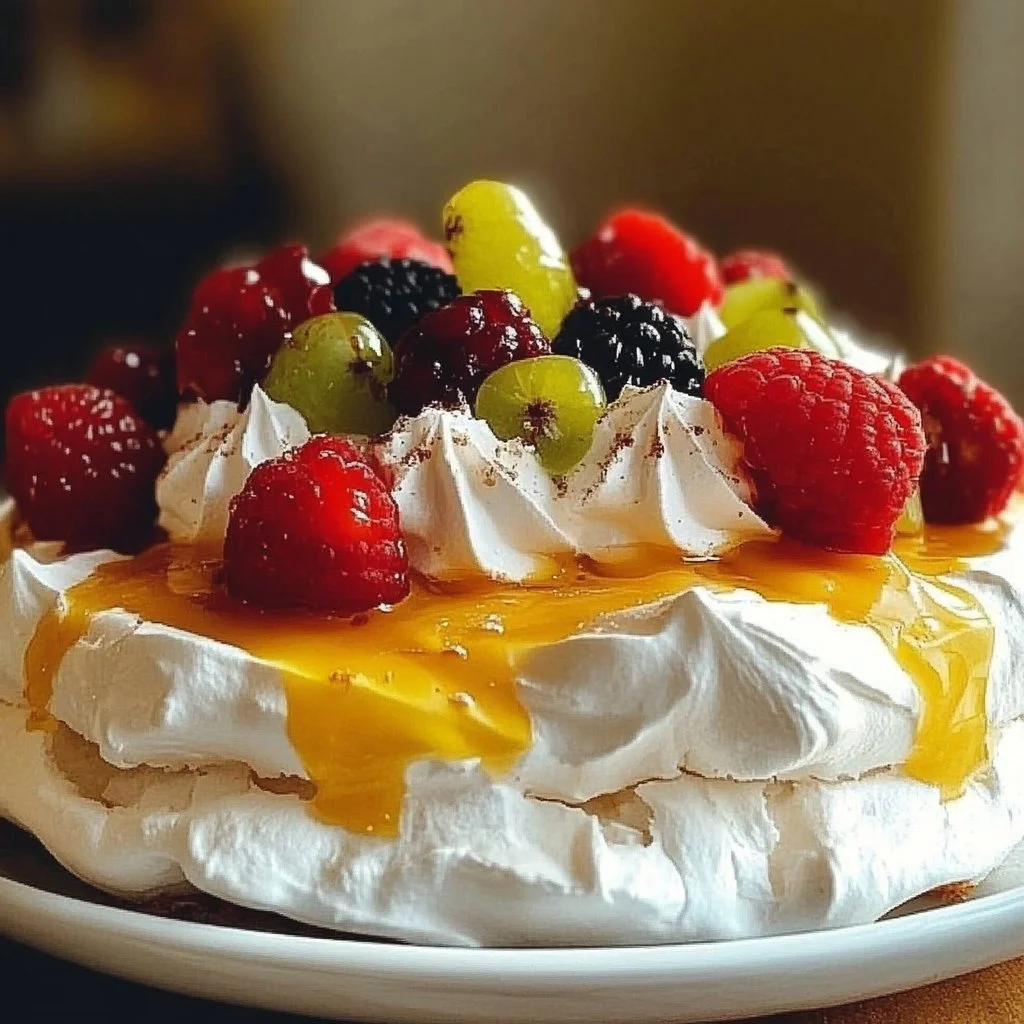
Are you looking for a dessert that is stunning yet simple to make? The Pavlova Cake truly fits the bill. This beloved meringue-based dessert is not only visually appealing but also incredibly delicious. Imagine a crispy outer shell that gives way to a soft, marshmallow-like interior, topped with luscious whipped cream and an array of fresh fruits. What could be better?
The history of the Pavlova Cake is just as captivating as its flavor. Believed to have been created in honor of the Russian ballerina Anna Pavlova during her tours to Australia and New Zealand in the 1920s, it has since become a staple in many dessert repertoires, especially in these countries. No wonder it’s cherished at celebrations, from birthdays to holidays!
One of the best things about this recipe is its versatility. You can customize the toppings according to what’s in season or your personal favorites, ensuring that each Pavlova Cake feels unique. Whether you prefer tropical fruits like kiwi and passionfruit or classic strawberries and blueberries, the options are endless. This dessert is not only an explosion of flavors but also a canvas for your creativity.
So, why wait? Let’s dive into this delightful Pavlova Cake recipe. You’ll be amazed at how easy it is to create something that looks and tastes like it belongs at a gourmet restaurant!
Key Benefits of Pavlova Cake
Why You’ll Love This Recipe
- Irresistible Flavor: The combination of the sweet meringue, creamy topping, and fresh fruits is a taste sensation.
- Visual Appeal: This dessert is a showstopper, perfect for impressing guests.
- Customizable: Easily adapt it with seasonal fruits and toppings to suit your palate.
- Easy to Make: With simple steps, even beginners can master this recipe.
- Light and Airy: The Pavlova has a unique texture, making it a refreshing treat after a hearty meal.
- Perfect for Any Occasion: Be it a casual gathering or a formal celebration, this dessert fits right in.
What Makes It Stand Out
The original taste profile of a Pavlova Cake is unlike any other dessert. The crispy exterior contrasts beautifully with its soft, chewy interior, merging textures that delight the senses. Plus, it brings an air of sophistication to any table, making it feel special without intensive labor.
Customization is another standout feature. You can swap the fruits based on what’s available or what you love most! Whether you go for traditional strawberries or tropical mangoes, each version of the Pavlova Cake tells its own story. It’s especially popular during the warmer months but can be enjoyed year-round.
Ingredients for Pavlova Cake
Complete Ingredient List with Measurements
- 4 large egg whites
- 1 cup granulated sugar
- 1 teaspoon cornstarch
- 1 teaspoon white vinegar
- 1 teaspoon vanilla extract
- 1 cup heavy cream
- 2 tablespoons powdered sugar
- Fresh fruits (e.g., kiwi, strawberries, passionfruit)
Substitutes and Alternatives
If you have dietary restrictions or specific preferences, there are some feasible swaps. For instance, if you’re vegan, you could use aquafaba (the liquid from canned chickpeas) in place of egg whites. It whips up remarkably well and can create a similar texture!
For those with sugar concerns, consider using alternatives like erythritol or stevia, but be sure to check the conversion guidelines, as they can differ significantly from granulated sugar.
How to Make Pavlova Cake – Step-by-Step Directions
Step 1 – Prepare Ingredients
Start by gathering all your ingredients. Ensure your egg whites are at room temperature, which helps in achieving the perfect meringue. Preheat your oven to 250°F (120°C) and line a baking sheet with parchment paper for easy transfer.
Step 2 – Cook the Base
In a large mixing bowl, beat the egg whites using a mixer. Begin on low speed and gradually increase to medium. Beat until soft peaks form, which usually takes around 2-3 minutes.
Step 3 – Incorporate Sugar
Once soft peaks have been achieved, slowly add in the granulated sugar, a tablespoon at a time. Continue to beat the mixture until it becomes glossy and stiff peaks form. This should take about 5-7 minutes.
Step 4 – Fold in Additional Ingredients
Gently fold in the cornstarch, white vinegar, and vanilla extract using a spatula. Be careful not to deflate the meringue; the folding motion should be gentle yet thorough.
Step 5 – Shape the Meringue
Spoon the meringue onto your prepared baking sheet. Shape it into a circular disk, making sure to create a slight dip in the center, which will hold your delicious toppings later.
Step 6 – Bake
Transfer the baking sheet to the preheated oven and bake for approximately one hour. The meringue should be dry and crisp on the outside when done.
Step 7 – Cool Down
Once baked, turn off the oven and let the meringue cool completely inside. This step is crucial; it helps to prevent cracking.
Step 8 – Prepare Whipped Cream
While your meringue cools, whip the heavy cream with the powdered sugar in a separate bowl until soft peaks form. Keep an eye on it to avoid over-whipping.
Step 9 – Assemble the Cake
Once your meringue is cool, carefully transfer it to a serving platter. Top it generously with your whipped cream and arrange the fresh fruits as desired, allowing their colors to radiate against the white backdrop.
Step 10 – Serve Immediately
This dessert is best enjoyed right away, as the meringue may start to soften over time. Gather your friends and family to indulge in this delicious Pavlova Cake together!
Serving Suggestions for Pavlova Cake
Best Occasions to Serve This Dish
The Pavlova Cake is a versatile dessert suited for various occasions. It’s perfect for summer gatherings, barbecues, and picnics, where light, refreshing flavors reign.
Moreover, it can effortlessly take center stage at holiday dinners, birthday parties, or even elegant dinner parties. Its striking appearance combined with mouth-watering flavors makes it a fantastic choice for impressing guests.
What to Serve With It
Pavlova Cake pairs wonderfully with a range of accompaniments. You might serve it alongside a glass of sparkling wine or a refreshing fruit punch. For a richer pairing, consider dark coffee or tea, which balances the sweetness beautifully.
Additionally, you can enhance your Pavlova by drizzling it with some chocolate sauce or a citrus glaze. These additions provide a delightful contrast to the meringue’s sweetness.
How to Store Pavlova Cake Properly
Best Storage Practices
Storing your Pavlova Cake isn’t complicated. Store any leftover meringue in an airtight container at room temperature for 1-2 days. For the best texture, avoid refrigerating it, as the humidity can affect its crispness.
If you’ve topped the cake, it’s best to consume it immediately since the freshness of the cream and fruit is essential.
Reheating and Freezing Tips
Typically, it’s not advisable to freeze a fully assembled Pavlova Cake due to the fruit and whipped cream. However, the meringue base can be frozen for up to a month. Just ensure it’s wrapped tightly in plastic wrap and then placed in a freezer-safe container.
To enjoy it later, allow the meringue to thaw at room temperature before topping it with whipped cream and fruits.
Tips & Tricks for Pavlova Cake
Mistakes to Avoid
- Not Using a Clean Bowl: Ensure that your mixing bowl and equipment are completely clean and dry. Any grease can hinder the egg whites from whipping properly.
- Adding Sugar Too Quickly: This can cause the meringue to become grainy. Add sugar gradually to ensure it dissolves well.
- Opening the Oven Door: Avoid checking the meringue during baking. Opening the door can affect the temperature and lead to cracking.
- Over-Whipping the Cream: Pay close attention while whipping the cream. Over-whipped cream can become grainy and lose its smooth texture.
- Skipping the Cooling Step: Cooling the meringue in the oven is crucial to avoid cracks—don’t rush this step.
- Choosing Incorrect Fruits: Some fruits can release moisture and make the meringue soggy. Stick to drier fruits if you plan to serve leftovers.
Extra Tips for Better Results
To elevate your Pavlova Cake, consider experimenting with flavors. You can infuse the whipped cream with vanilla bean seeds or a splash of your favorite liqueur. Additionally, drizzling a passionfruit syrup or honey adds a lovely tartness to balance the sweetness.
Presentation matters! Arrange the fruits artistically; play with colors and shapes to create an eye-catching display that matches the flavor explosion waiting inside.
Recipe Variations of Pavlova Cake
Creative Twists
- Chocolate Pavlova: Incorporate cocoa powder into the meringue mixture for a chocolatey base. Top it off with chocolate mousse and berries for a decadent treat.
- Matcha Pavlova: Add matcha green tea powder to the meringue for a unique flavor and color. This variation pairs beautifully with mango and coconut cream.
- Tropical Pavlova: Use tropical fruits like mango, pineapple, and passionfruit for a sunny twist. Combine them with coconut whipped cream for a refreshing taste of the tropics.
Dietary Adjustments
For those preferring a gluten-free option, rest easy—Pavlova Cake is naturally gluten-free! If you’re looking for a dairy-free alternative, substitute the heavy whipped cream with coconut cream, which can be whipped similar to regular cream.
Vegan adaptations can be achieved using aquafaba, which retains a similar texture to egg whites. You can also use a plant-based whipped topping in place of dairy cream.
Conclusion about Pavlova Cake
In conclusion, if you haven’t tried making Pavlova Cake yet, you’re missing out on an incredible dessert. Its combination of crispy meringue, whipped cream, and fresh fruits creates a perfect balance of textures and flavors.
This dessert isn’t just delicious; it’s also a canvas for creativity. Whether you keep it classic or try inventive twists, the Pavlova can suit any occasion. Impress your guests or enjoy a sweet indulgence with family. Once you sink your fork into that first heavenly bite, you’ll understand what all the fuss is about. Don’t hesitate to try this delightful recipe—you won’t regret it!
FAQs about Pavlova Cake
How should I store leftover Pavlova Cake?
Store meringue in an airtight container at room temperature and eat within 1-2 days for the best texture.
Can I make the meringue ahead of time?
Yes, you can make the meringue in advance and store it in a cool, dry place until you’re ready to top and serve it.
Will my Pavlova Cake crack?
Pavlova can crack if exposed to sudden temperature changes, such as opening the oven door while baking.
Can I freeze the Pavlova Cake?
You can freeze the meringue base, but it’s not recommended to freeze the fully assembled dessert with fresh fruits and cream.
What fruits are best for topping a Pavlova?
Fruits like kiwi, strawberries, blueberries, and mango complement the Pavlova nicely. Avoid watery fruits, which can make it soggy.
Can I use substitutes for eggs in Pavlova?
Yes, use aquafaba as a substitute for egg whites; it whips up similarly and works well for a vegan version.
How do I prevent a soggy meringue?
Avoid overly moist toppings and ensure the meringue is baked long enough to dry out properly.
Can I use powdered sugar instead of granulated in meringue?
It’s best to stick with granulated sugar for meringue for proper texture and stability, as powdered sugar contains cornstarch.
How can I enhance the flavor of the whipped cream?
Add a splash of vanilla extract, almond extract, or a bit of citrus zest to the whipped cream for added flavor.
Is Pavlova Cake gluten-free?
Yes, Pavlova Cake is naturally gluten-free as it doesn’t contain any flour.

Pavlova Cake
Ingredients
For the Meringue Base
- 4 large large egg whites Ensure they are at room temperature for better results.
- 1 cup granulated sugar Add gradually for best texture.
- 1 teaspoon cornstarch
- 1 teaspoon white vinegar
- 1 teaspoon vanilla extract
For the Topping
- 1 cup heavy cream Whipped with powdered sugar.
- 2 tablespoons powdered sugar For sweetening the whipped cream.
- Fresh fruits (e.g., kiwi, strawberries, passionfruit) Use seasonal fruits as desired.


Instructions
Preparation
- Start by gathering all your ingredients. Preheat your oven to 250°F (120°C) and line a baking sheet with parchment paper.
- Ensure your egg whites are at room temperature.
Cooking the Meringue
- In a large mixing bowl, beat the egg whites using a mixer, starting on low speed and gradually increasing to medium until soft peaks form (about 2-3 minutes).
- Slowly add the granulated sugar, a tablespoon at a time, continuing to beat until glossy stiff peaks form (about 5-7 minutes).
- Gently fold in the cornstarch, white vinegar, and vanilla extract using a spatula.
- Spoon the meringue onto the prepared baking sheet, shaping it into a circular disk with a slight dip in the center.
- Bake for approximately one hour until the outside is dry and crisp.
- Turn off the oven and let the meringue cool completely inside.
Whipping and Assembling the Cake
- While the meringue cools, whip the heavy cream with the powdered sugar until soft peaks form.
- Once the meringue is cool, transfer it to a serving platter. Top generously with whipped cream and arrange fresh fruits.
Serving
- Serve immediately for best texture as the meringue may soften over time.