
This post may contain affiliate links. As an Amazon Associate, I earn from qualifying purchases at no extra cost to you.
Table of Contents
🍴 Top Kitchen Essentials You'll Love


Introduction to Spring Pea Risotto
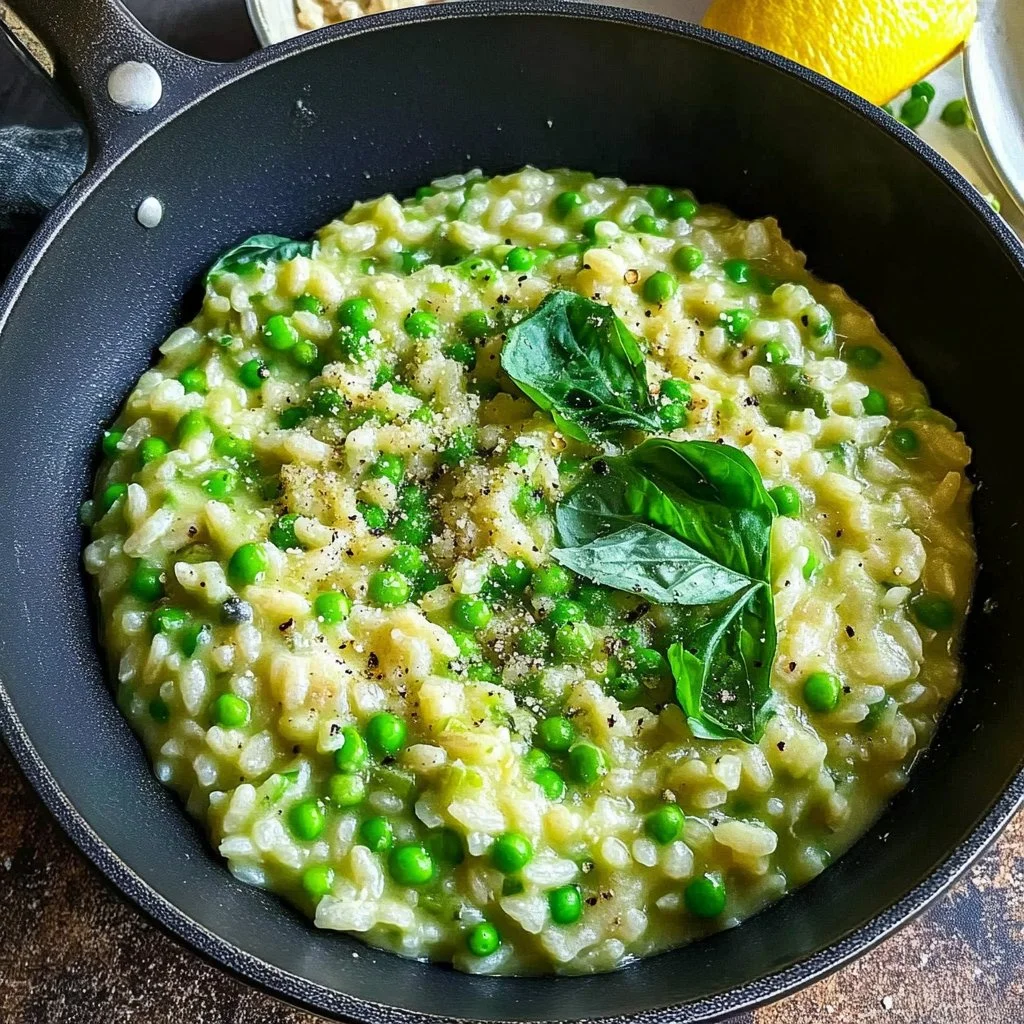
Have you ever wondered what the perfect comfort food looks like? Spring Pea Risotto is not just a dish; it’s a warm hug on a plate. Imagine a creamy, dreamy bowl filled with arborio rice, fresh peas, and fragrant herbs, all brought together to create an experience that highlights the vibrant flavors of spring. Whether you’re preparing for a romantic dinner or hosting a casual get-together with friends, this risotto is the perfect centerpiece to any meal.
What makes Spring Pea Risotto so special is its outstanding versatility. The creamy texture of the rice pairs beautifully with the natural sweetness of peas, evoking feelings of nostalgia while also being incredibly satisfying. You can customize your risotto to fit your taste buds by adding different herbs or proteins, making it a delightful option for everyone, regardless of dietary preferences.
Additionally, this recipe is simple enough for beginners, yet elegant enough to impress seasoned chefs. In just one pot, you can whip up a dish that looks and tastes like it’s straight out of an upscale restaurant. You’ll appreciate how quick the preparation is, allowing you more time to enjoy the process and your guests.
Spring Pea Risotto offers an array of flavors that bloom on your palate, the stunning green color reminiscent of lush gardens signaling the arrival of spring. So, why not indulge in this delightful dish that’s not only packed with flavor but also manages to celebrate the freshness of the season? The question isn’t why make this risotto; it’s how soon can you get started?
Key Benefits of Spring Pea Risotto
Why You’ll Love This Recipe
- Flavorful: The combination of peas, garlic, and Parmesan creates a deliciously rich taste.
- Simplicity: With just a few ingredients, this risotto is easy to prepare.
- Versatile: Customize with proteins or herbs to match your taste.
- Seasonal: Incorporates fresh peas, making it ideal for spring months.
- Comfort Food: Creamy texture that warms the soul.
- Impressive Presentation: A vibrant dish that looks stunning when served.
What Makes It Stand Out
Spring Pea Risotto shines due to its adaptability. The base recipe can easily be transformed with different vegetables or herbs based on what you have available. This means you can enjoy a fresh experience every time you make it. You can also adjust flavors based on the season, making it an all-year-round staple.
Additionally, this recipe serves as an excellent platform for chefs to showcase their creativity. With just simple adjustments, you can elevate the dish to fit numerous occasions, such as dinner parties, weekday meals, or casual get-togethers. Sharing a bowl of rich, creamy risotto brings people together, creating a communal experience that everyone can enjoy.
Ingredients for Spring Pea Risotto
Complete Ingredient List with Measurements
- 1 cup Arborio rice
- 4 cups vegetable broth
- 1 cup fresh or frozen peas
- 1 medium onion, chopped
- 2 cloves garlic, minced
- 1/2 cup dry white wine
- 1/2 cup grated Parmesan cheese
- 2 tablespoons olive oil
- 1 tablespoon lemon juice
- 1 tablespoon fresh mint, chopped
- Salt and pepper to taste
Substitutes and Alternatives
If you’re looking for alternatives due to dietary restrictions, several substitutions can enhance your Spring Pea Risotto. For a gluten-free option, ensure that the vegetable broth used is certified gluten-free. Alternatively, you can replace Arborio rice with another type of short-grain rice, though the texture may vary.
For a dairy-free version, substitute the Parmesan cheese with a plant-based alternative, or simply skip the cheese altogether to focus on the natural flavors of the dish. Fresh peas can also be swapped with spinach or asparagus for a different twist while maintaining that lovely green hue.
How to Make Spring Pea Risotto – Step-by-Step Directions
Step 1 – Prepare Ingredients
Before you begin, gather all your ingredients. This step is crucial for ensuring a smooth cooking process. Rinse the rice under cold water, chop the onion, mince the garlic, and have your broth heated and ready.
Step 2 – Cook the Base
In a medium saucepan, heat the olive oil over medium heat. Add in the chopped onion and sauté until they are translucent—about 3 to 4 minutes. This process adds depth and flavor to the risotto.
Step 3 – Toast the Rice
Next, stir in the minced garlic and Arborio rice. Cook for an additional 2–3 minutes while stirring constantly, allowing the rice to become lightly toasted, which will enhance its nuttiness.
Step 4 – Deglaze with Wine
Pour in the dry white wine and stir until it’s mostly absorbed by the rice. This adds a layer of acidity that brightens the entire dish. Keep an eye on the texture, as it should remain creamy.
Step 5 – Gradual Broth Addition
Begin adding the vegetable broth, one ladle at a time. Stir frequently, allowing the liquid to absorb before adding the next. This method is key to achieving that signature creamy risotto texture and will take around 15–20 minutes.
Step 6 – Incorporate the Peas
After approximately 15 minutes, add in the fresh or frozen peas. Continue stirring until the rice reaches an al dente consistency—typically around 18 minutes total cooking time.
Step 7 – Finish with Creaminess
Once the rice is cooked to your liking, stir in the grated Parmesan cheese, lemon juice, and fresh mint. Adjust the seasoning with salt and pepper before serving.
Step 8 – Serve Hot
Your Spring Pea Risotto should be served hot. The texture should be creamy, and the appearance should be inviting, making it hard to resist.
Step 9 – Optional Toppings
For an extra touch of elegance, consider topping your risotto with seared fish or scallops. This not only enhances the dish but adds protein for a complete meal.
Step 10 – Enjoy
Sit back and relish in your culinary creation! Whether for dinner or a special occasion, enjoy the delightful flavors of your homemade Spring Pea Risotto.
Serving Suggestions for Spring Pea Risotto
Best Occasions to Serve This Dish
Spring Pea Risotto is an excellent choice for various occasions. During spring and summer celebrations, it showcases seasonal ingredients and adds a touch of sophistication. It’s perfect for family gatherings or casual weeknight dinners, providing comfort without overwhelming preparation time.
Moreover, when hosting a dinner party, it can serve as a stunning centerpiece to impress your guests. Pair it with a refreshing salad or a light appetizer for a complete dining experience.
What to Serve With It
The versatility of Spring Pea Risotto means it pairs beautifully with a variety of sides and toppings. Consider serving it alongside grilled chicken, shrimp, or a fresh salad with citrus dressing. A crisp white wine, such as Sauvignon Blanc, complements the dish nicely, enhancing the flavors without overshadowing them.
How to Store Spring Pea Risotto Properly
Best Storage Practices
To store your Spring Pea Risotto, allow it to cool to room temperature before transferring it to an airtight container. This helps maintain its creamy texture when reheating. It can be kept in the refrigerator for up to 3 days.
If you plan to store it longer, consider freezing it. Pour portions into freezer-safe bags or containers, but remember to leave room for expansion.
Reheating and Freezing Tips
When reheating, add a splash of vegetable broth or water to restore the creamy consistency. Heat gently on the stovetop over medium heat, stirring occasionally until warmed through.
If frozen, allow the risotto to thaw in the refrigerator overnight before reheating. Avoid microwaving directly from the freezer to prevent a rubbery texture.
Tips & Tricks for Spring Pea Risotto
Mistakes to Avoid
- Rushing the Process: Don’t hurry through the broth addition. Adding it too quickly can lead to uneven cooking and a gloppy texture.
- Skipping the Toasting Step: Always toast the rice to enhance its flavor and improve texture.
- Neglecting to Stir: Stirring frequently during cooking is essential for achieving creaminess.
- Using Cold Broth: Always warm your broth beforehand; adding cold broth will slow the cooking process.
- Overcooking the Peas: Add peas toward the end to preserve their bright color and fresh taste.
Extra Tips for Better Results
For an even more exquisite flavor, try adding a dollop of mascarpone cheese along with the Parmesan. This will create an extra creamy texture that elevates the dish. Experiment with timings—some enjoy a slightly firmer bite, while others prefer it super creamy.
Recipe Variations of Spring Pea Risotto
Creative Twists
- Lemon Basil Risotto: Swap mint for fresh basil and add more lemon zest for a citrusy refresh.
- Asparagus and Pea Risotto: Incorporate chopped asparagus for added texture, bringing another layer of seasonal flavor.
- Truffle Mushroom Risotto: For a luxurious twist, stir in sautéed mushrooms and a drizzle of truffle oil before serving.
Dietary Adjustments
For a vegan version, use plant-based substitutions for butter and cheese. Swap Arborio rice for quinoa or farro if you’re looking for a whole grain option. Ensure the broth used is vegetable-based to keep it vegan-friendly.
Conclusion about Spring Pea Risotto
In essence, Spring Pea Risotto is a captivating dish that embodies the joys of home cooking. Its creamy texture and delightful flavors make it an appealing option for various meals, and its seasonal aspect ensures freshness throughout the year. The straightforward preparation allows both novice and experienced cooks to engage in the culinary process without complications.
Whether you’re savoring it at a family dinner or showcasing it at a gathering, Spring Pea Risotto promises to be a crowd-pleaser. The blend of simple yet delicious ingredients creates an irresistible experience that’s sure to impress. So why not dive into this recipe and create a memorable meal that captures the essence of spring?
FAQs about Spring Pea Risotto
How long can I store Spring Pea Risotto?
You can store it in the refrigerator for up to 3 days in an airtight container.
Can I freeze Spring Pea Risotto?
Yes, pour portions into freezer-safe bags or containers, and it can be frozen for up to 3 months.
How do I reheat Spring Pea Risotto?
Reheat on the stovetop over medium heat with a splash of broth or water to maintain creaminess.
Can I use frozen peas?
Absolutely! Frozen peas are a great option and will cook perfectly when added during the last 15 minutes.
Is Spring Pea Risotto gluten-free?
To make it gluten-free, ensure the vegetable broth is certified gluten-free and check the rice package.
What can I substitute if I don’t have Arborio rice?
You can use short-grain brown rice or Carnaroli rice, which will yield different textures.
Can I make it vegan?
Yes! Substitute the cheese with a plant-based alternative and use vegetable broth.
What can I serve alongside Spring Pea Risotto?
It pairs well with grilled chicken, shrimp, or a fresh side salad, enhancing your meal’s overall appeal.
Spring Pea Risotto
Equipment
- Large Skillet
- Saucepan
- Wooden Spoon
Ingredients
Risotto
- 1 cup arborio rice
- 3 cups vegetable broth kept warm
- 1 cup spring peas fresh or frozen
- ½ small onion finely chopped
- 2 tbsp olive oil
- 2 tbsp butter
- ½ cup Parmesan cheese grated
- 1 tbsp lemon juice
- ½ tsp salt or to taste
- ¼ tsp black pepper
- 2 tbsp fresh parsley chopped




Instructions
- Heat vegetable broth in a saucepan and keep it warm over low heat.
- In a large skillet, heat olive oil and 1 tablespoon butter over medium heat. Add chopped onion and cook until soft and translucent.
- Stir in arborio rice and cook for 1–2 minutes, allowing the grains to lightly toast.
- Add warm broth one ladle at a time, stirring frequently and allowing the liquid to absorb before adding more.
- After about 15 minutes, stir in the spring peas and continue adding broth until the rice is creamy and tender.
- Remove from heat and stir in remaining butter, Parmesan cheese, lemon juice, salt, and pepper.
- Garnish with fresh parsley and serve immediately.