

This post may contain affiliate links. As an Amazon Associate, I earn from qualifying purchases at no extra cost to you.
Table of Contents
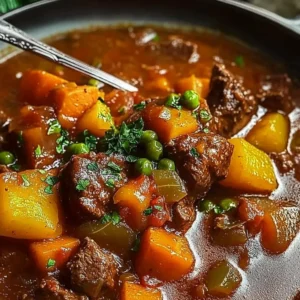
Indulging in a warm bowl of Traditional Beef Stew is like wrapping yourself in a cozy blanket on a chilly day. This classic recipe not only warms the body but also warms the heart, making it a beloved dish in many households. Have you ever craved comfort food that’s both hearty and satisfying? Traditional Beef Stew is just that. With its savory broth, tender beef, and an abundance of vegetables, it’s the perfect meal to share with loved ones.
What makes this stew truly special is its ability to bring people together. Whether it’s a family dinner or a gathering with friends, the aroma of simmering beef and vegetables fills your kitchen and invites everyone to gather around the table. The ingredients meld beautifully, creating a symphony of flavors that just gets better as it simmers. It’s not just a meal; it’s an experience.
Plus, the simplicity of this recipe means you don’t have to be a culinary expert to whip up something delicious. You can easily customize it to suit your tastes. Want to add some extra veggies or a splash of red wine? Go for it! Traditional Beef Stew is versatile enough to accommodate your preferences, ensuring that there’s something for everyone to enjoy.
In this article, we’re diving deep into Traditional Beef Stew. You will discover its key benefits, what makes it stand out, and a simple yet flavorful recipe that you can make at home. Are you ready to learn how to make this comforting classic? Let’s get started!
🍴 Top Kitchen Essentials You'll Love


Key Benefits of Traditional Beef Stew
Traditional Beef Stew is not just a meal; it’s a comfort that can satisfy both your taste buds and your soul. Here are a few reasons why you’ll love this recipe:
- Rich Flavor: The combination of beef, vegetables, and spices creates a depth of flavor that’s hard to beat.
- Simplicity: You can prepare this dish without complicated techniques, making it accessible for cooks of all levels.
- Versatile: Customize it with your favorite vegetables or spices to tailor the stew to your liking.
- Family Appeal: It’s a dish that kids and adults alike can enjoy, making it a family favorite.
- Meal Prep Friendly: Ideal for making ahead of time, it can be frozen and reheated for busy days.
What Makes It Stand Out
The originality of Traditional Beef Stew lies in its rustic roots. Passed down through generations, each family adds its own twist, creating a unique tapestry of flavors. You might find that your grandmother’s recipe differs from your neighbor’s, and that’s the beauty of it. This dish is as much about tradition as it is about nourishment.
Customization is also a hallmark of Traditional Beef Stew. You can easily adapt the recipe based on what’s in your pantry. This flexibility makes it perfect for any occasion, from a casual weeknight dinner to a hearty meal served after a day outdoors.
Ingredients for Traditional Beef Stew
Preparing Traditional Beef Stew requires a few essential ingredients. Here’s a complete list of what you’ll need:
- 2 pounds beef chuck, cut into cubes
- 1 tablespoon olive oil
- 4 cups beef broth
- 4 carrots, sliced
- 4 potatoes, diced
- 1 cup peas
- 1 onion, chopped
- 3 cloves garlic, minced
- 2 tablespoons tomato paste
- 1 teaspoon dried thyme
- 1 teaspoon salt
- 1/2 teaspoon black pepper
- 2 bay leaves
These ingredients create the foundation for a flavorful stew. Feel free to add herbs or spices that you particularly love!
Substitutes and Alternatives
If you have dietary needs or allergies, fear not! You can easily swap out certain ingredients in this Traditional Beef Stew recipe. For instance, if you’re following a gluten-free diet, ensure you use gluten-free beef broth.
For those who prefer a lighter version, try using lean cuts of meat like beef round or even turkey. Vegetarians can swap the beef for hearty mushrooms and use vegetable broth instead, maintaining that rich, comforting flavor. The beauty of this recipe lies in its adaptability.
How to Make Traditional Beef Stew – Step-by-Step Directions
Step 1 – Prepare Ingredients
Start by gathering all your ingredients. Cut the beef into cubes and chop the vegetables. Precise cuts can help ensure even cooking. Having everything ready will make the cooking process smoother.
Step 2 – Cook the Base
In a large pot, heat olive oil over medium heat. Once the oil is hot, add the beef cubes in batches, browning them on all sides. This step is crucial as it enhances the flavor of the stew.
Step 3 – Add Aromatics
After the beef is browned, stir in the chopped onion and minced garlic. Cook them until softened, which should take about 3-4 minutes. The aromatic qualities of the onion and garlic will start to infuse into the oil, setting the stage for a rich stew.
Step 4 – Incorporate Tomato Paste and Spices
Next, add 2 tablespoons of tomato paste, 1 teaspoon of dried thyme, salt, and black pepper. Stir these ingredients into the beef mixture, allowing them to integrate and coat the meat. This step will deepen the flavor profile of your stew.
Step 5 – Pour in the Broth
Once the spices and tomato paste are incorporated, pour in the beef broth. This will create the stew’s foundation. Bring the pot to a boil; you want the flavors to begin combining before reducing the heat.
Step 6 – Add Vegetables
Now, add the sliced carrots, diced potatoes, and bay leaves to the pot. These vegetables not only contribute to the flavor but also offer texture and heartiness to the dish.
Step 7 – Simmer Away
Reduce the heat to low and cover the pot. Allow the stew to simmer for 2-3 hours. This long cooking time transforms the beef into melt-in-your-mouth tenderness while the vegetables become immensely flavorful.
Step 8 – Incorporate Peas
During the last 10 minutes of cooking, stir in 1 cup of peas. They add a pop of color and freshness, balancing the rich flavors of the stew.
Step 9 – Final Touches
Once the beef is tender and the vegetables are cooked, remove the bay leaves. This is a crucial step, as bay leaves can be tough and fibrous if left in the stew.
Step 10 – Serve and Enjoy
Serve your Traditional Beef Stew hot, with crusty bread or over rice for a complete meal. The comforting aroma and rich flavors will surely bring everyone to the table!
Serving Suggestions for Traditional Beef Stew
Best Occasions to Serve This Dish
Traditional Beef Stew shines during cold weather, making it the perfect meal for a cozy winter evening. Imagine a chilly night with snow falling outside and a pot of stew simmering on the stove. There’s something incredibly inviting about this scenario.
It also works wonderfully for gatherings or holidays. Whether it’s a festive occasion or a simple Sunday family dinner, this stew is sure to impress. The communal experience of sharing a hearty meal adds to its charm.
What to Serve With It
- Crusty Bread: Perfect for dipping; the bread soaks up the rich broth.
- Salad: A light green salad can balance the richness of the stew.
- Rice or Mashed Potatoes: These sides can absorb the delicious juices from the stew.
- Wine Pairing: A hearty red wine like Cabernet Sauvignon complements the flavors beautifully.
How to Store Traditional Beef Stew Properly
Best Storage Practices
To store your Traditional Beef Stew, let it cool entirely after cooking. Transfer it to an airtight container and place it in the refrigerator. It can last for about 3-4 days in the fridge without losing flavor.
For longer storage, consider freezing the stew. Use freezer-safe containers, portioning it out for easy meals later. It can be frozen for up to three months.
Reheating and Freezing Tips
When ready to enjoy your frozen stew, let it thaw in the refrigerator overnight. Reheat on the stove over medium heat, stirring frequently until heated through. You can also use a microwave, heating in short intervals and stirring in between to ensure even warmth.
Tips & Tricks for Traditional Beef Stew
Mistakes to Avoid
- Skipping Browning: Don’t skip browning the beef. It locks in flavors.
- Overcrowding the Pot: Cook in batches if necessary; overcrowding can prevent browning.
- Not Enough Liquid: Make sure you add enough broth to create a well-balanced stew.
- Cutting Vegetables Unevenly: This can lead to uneven cooking; aim for uniform sizes.
- Ignoring the Bay Leaves: They add depth; avoid forgetting them in the cooking phase!
Extra Tips for Better Results
- Fresh Herbs: Add fresh herbs like parsley for a burst of flavor just before serving.
- Wine Addition: A splash of red wine enhances the richness of the stew.
- Slow Cooking: For a no-fuss method, try using a slow cooker. Just set it and forget it!
Recipe Variations of Traditional Beef Stew
Creative Twists
- Mushroom Addition: Add sliced mushrooms for an earthy flavor that complements the beef.
- Spicy Kick: Introduce some diced jalapeños for a spicy twist on the traditional recipe.
- Herbed Version: Experiment with fresh rosemary or thyme for a fragrant herbaceous note.
- Diverse Vegetables: Don’t hesitate to introduce other vegetables like parsnips or sweet potatoes for a playful variation.
Dietary Adjustments
For those seeking a vegan alternative, substitute the beef with jackfruit and use vegetable broth. Gluten-free eaters can enjoy it by ensuring all ingredients, especially broth, are gluten-free. Adjusting the recipe to meet your dietary preferences allows everyone to enjoy the comforting experience of Traditional Beef Stew.
Conclusion about Traditional Beef Stew
In conclusion, Traditional Beef Stew is more than just a dish; it’s a warm hug in a bowl. With its rich flavors, hearty ingredients, and comforting nature, it has a special place in many kitchens. Whether you’re gathering with family or enjoying a quiet night in, this recipe brings nourishment for the body and soul. The ease of preparation and adaptability make it an accessible option for everyone, proving that hearty meals don’t have to be complicated.
So, what are you waiting for? Gather up your ingredients, follow the steps, and create your own comforting pot of Traditional Beef Stew. You won’t regret it!
FAQs about Traditional Beef Stew
Can I prepare it ahead of time?
Absolutely! Traditional Beef Stew actually tastes better when made a day in advance.
Can I freeze it?
Yes, freeze in airtight containers for up to three months.
How long does it last?
In the refrigerator, it can last 3-4 days; in the freezer, up to three months.
What are the best substitutions?
You can use turkey or mushrooms for a different flavor profile, and swap vegetables based on your preference.
Is this recipe family-friendly?
Definitely! It’s a favorite among all ages; the flavors are mild yet satisfying.
Can I make it in a slow cooker?
Yes! Just follow the steps, then transfer to a slow cooker for 6-8 hours on low.
What’s the best way to reheat it?
Warm it on the stove over medium heat, or in the microwave in intervals, stirring in between.
Can I make it spicy?
Certainly! Try adding chili flakes or jalapeños for some heat.
Does it require a lot of prep?
Not at all! Most prep work is just cutting vegetables and beef, taking only about 15-20 minutes.
What’s a good side dish?
Pair it with crusty bread or a simple green salad for a balanced meal.
Ultimate Traditional Beef Stew
Equipment
- Large pot or Dutch oven
Ingredients
Beef
- 2 pounds beef chuck, cubed
Vegetables & Aromatics
- 1 onion, chopped
- 3 cloves garlic, minced
- 4 carrots, sliced
- 4 potatoes, diced
- 1 cup peas (optional — added near end)
Sauce & Seasoning
- 4 cups beef broth
- 2 tablespoons tomato paste
- 1 tablespoon olive oil
- 2 bay leaves
- 1 teaspoon dried thyme
- ½ teaspoon black pepper
- 1 teaspoon salt


Instructions
- Heat the olive oil in a large pot over medium heat. Add the beef cubes and brown them on all sides. This helps deepen the flavor.
- Once the beef is browned, stir in the chopped onion and minced garlic. Cook for about 3–4 minutes until softened.
- Add the tomato paste, dried thyme, salt, and black pepper. Stir to coat the beef and aromatics.
- Pour in the beef broth, then add the bay leaves. Bring the mixture to a boil.
- Once boiling, reduce to low heat. Add the sliced carrots and diced potatoes. Cover and let simmer for 2–3 hours, until the beef is tender and flavors are melded.
- Near the end of cooking (last 10 minutes), stir in the peas (if using). Remove bay leaves before serving.
- Serve hot, ideally with crusty bread, rice, or mashed potatoes. Enjoy your stew!