
This post may contain affiliate links. As an Amazon Associate, I earn from qualifying purchases at no extra cost to you.
Table of Contents
🍴 Top Kitchen Essentials You'll Love


Introduction to Vietnamese Lunar New Year Feast
The Vietnamese Lunar New Year, known as Tết, is a vibrant celebration marked by family reunions, cultural rituals, and, above all, delectable food. One of the standout dishes during this festive time is the Vietnamese Lunar New Year Feast, featuring savory pork, sticky rice, and mashed mung beans. Have you ever wondered what makes this dish so special? It’s not just the flavors or the texture, but also the love and tradition that go into preparing it.
This enticing recipe holds a deep-rooted significance in Vietnamese culture, symbolizing prosperity and unity. The savory pork marinated in rich soy sauce and aromatic garlic offers a delightful contrast to the sweetness of the sticky rice, while the mashed mung beans provide a creamy finish. It’s a dish that encapsulates the essence of togetherness and celebration, making it perfect for sharing with loved ones.
Moreover, the Vietnamese Lunar New Year Feast is easy to prepare, making it accessible for both novice cooks and culinary experts. With minimal ingredients and straightforward steps, you can create a mouthwatering meal that will impress your family and friends. Imagine gathering around the table, savoring the delicious flavors, and sharing stories—this dish is sure to become a cherished tradition in your home.
Key Benefits of Vietnamese Lunar New Year Feast
Why You’ll Love This Recipe
- Flavorful Combination: The marinated pork, sticky rice, and mung beans create a delightful medley of flavors.
- Cultural Significance: This dish is steeped in tradition, representing good fortune and family unity.
- Easy to Make: With simple ingredients and quick preparation, it’s accessible for everyone.
- Versatile Meal: It can be served as a main dish or a side, complementing other traditional celebrations.
- Make-Ahead Option: The components can be prepared in advance, making it convenient for busy cooks.
- Perfect for Sharing: Enjoyable for gatherings, ensuring everyone can partake in a festive feast.
What Makes It Stand Out
What truly sets the Vietnamese Lunar New Year Feast apart is its originality. Each component tells a story, from the tender pork that has absorbed aromatic flavors to the soft, sticky rice that glistens invitingly. Families often customize the dish with their own special touches, adding personal history and flair.
Best occasions to enjoy this delectable feast include Lunar New Year gatherings, family dinners, and festive parties. The joyful atmosphere enhances the experience, allowing you to create lasting memories over a shared meal. Whether you are celebrating traditional holidays or simply enjoying a lovely night with family, this dish never disappoints.
Ingredients for Vietnamese Lunar New Year Feast
Complete Ingredient List with Measurements
- Diced Pork: 500 grams
- Soy Sauce: 4 tablespoons
- Minced Garlic: 3 cloves
- Chopped Onion: 1 medium
- Vegetable Oil: 2 tablespoons
- Sugar: 1 tablespoon
- Salt: 1 teaspoon
- Pepper: 1 teaspoon
- Sticky Rice: 300 grams (soaked in water)
- Mung Beans: 200 grams (cooked and mashed)
Substitutes and Alternatives
If you have dietary restrictions or allergies, you can still enjoy the Vietnamese Lunar New Year Feast by making a few swaps. For those requiring a gluten-free option, you can replace soy sauce with tamari. This maintains a similar taste without compromising dietary needs.
Additionally, if pork isn’t suitable for you, consider using chicken or tofu, marinated in the same way to absorb those delightful flavors. For a vegetarian version, simply omit the meat and increase the amount of mung beans for protein, ensuring everyone can enjoy this wonderful dish.
How to Make Vietnamese Lunar New Year Feast – Step-by-Step Directions
Step 1 – Prepare Ingredients
Begin by gathering all your ingredients. Dice the pork into bite-sized pieces and set them aside. Make sure to mince the garlic and chop the onion to ensure they blend well with the flavors during marination.
Step 2 – Marinate the Pork
In a bowl, combine the diced pork with soy sauce, minced garlic, chopped onion, sugar, salt, and pepper. Mix well and let this marinate for at least 30 minutes. This step is crucial for infusing the meat with rich flavors.
Step 3 – Soak the Sticky Rice
While the pork is marinating, soak the sticky rice in water for several hours. This softens the grains and is essential for achieving that desired chewy texture. After soaking, drain the rice and prepare it for steaming.
Step 4 – Steam the Sticky Rice
Place the soaked sticky rice in a steaming basket lined with cheesecloth or banana leaves. Steam over boiling water for about 20-25 minutes or until fully cooked. The rice should be tender and slightly sticky, just perfect for serving.
Step 5 – Cook the Mung Beans
In a pot, cook the mung beans in water until they are soft—approximately 30 minutes. Once cooked, drain and mash them thoroughly. Add a pinch of salt to enhance the flavor.
Step 6 – Sauté the Marinated Pork
In a pan, heat vegetable oil over medium heat. Add the marinated pork to the pan and sauté until it is cooked through and slightly caramelized, about 8-10 minutes. The aroma will fill your kitchen and get everyone excited for the meal.
Step 7 – Assemble the Dish
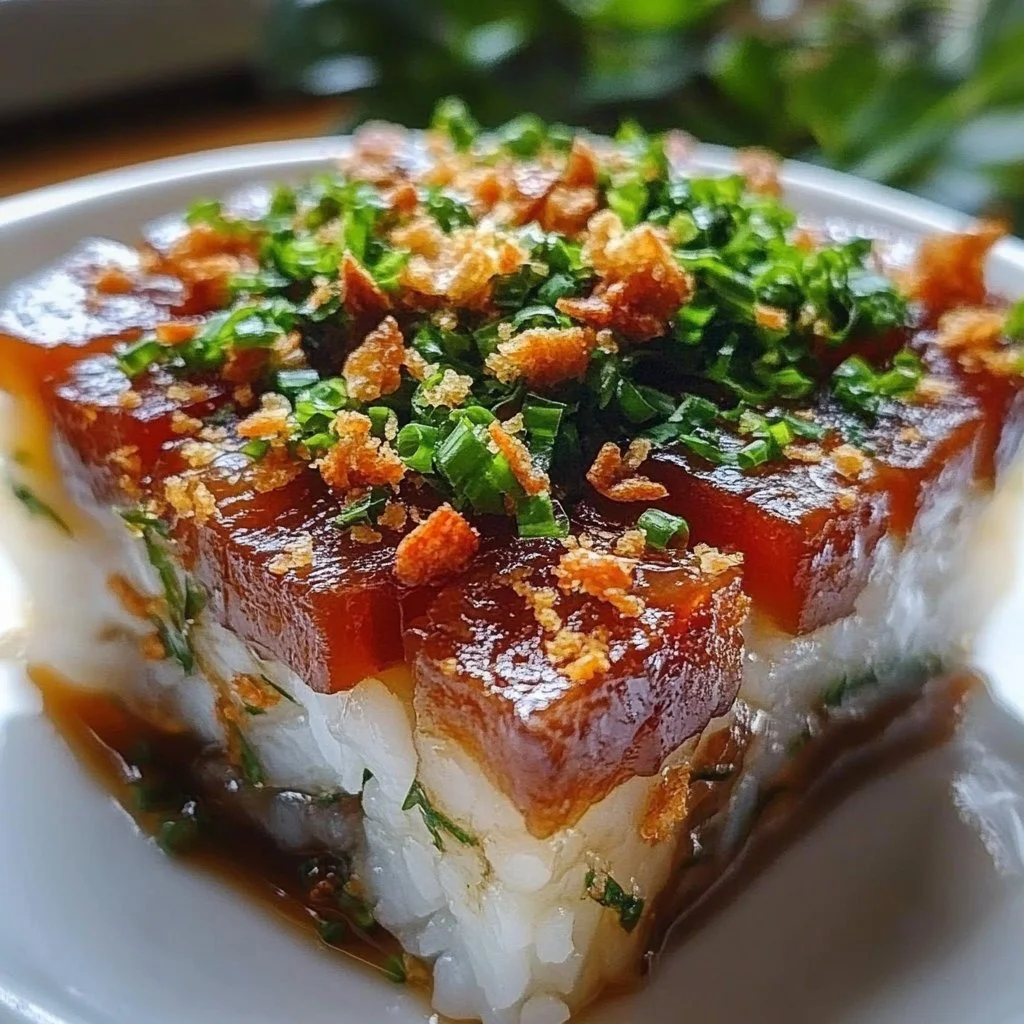
In a serving dish, layer the components beautifully. Start with a base of sticky rice, followed by the sautéed pork, and top it off with the mashed mung beans. This layered presentation not only adds visual appeal but also makes every bite delicious.
Step 8 – Serve Warm
Serve the Vietnamese Lunar New Year Feast warm to allow the flavors to meld beautifully. It’s best enjoyed with family and friends, creating connections through shared meals and festive conversations.
Serving Suggestions for Vietnamese Lunar New Year Feast
Best Occasions to Serve This Dish
The Vietnamese Lunar New Year Feast is especially fitting for family gatherings, cultural celebrations, or festive occasions. Its heartwarming flavors resonate with the spirit of Tết, making it a staple dish during this time of year. It’s also a delightful option for birthday celebrations or any event where bonding over food is cherished.
What to Serve With It
You can enhance the experience of the Vietnamese Lunar New Year Feast by serving it with a refreshing cucumber salad or pickled vegetables. A fragrant herbal tea or a light rice wine pairs wonderfully, balancing the savory flavors of the pork and rice.
How to Store Vietnamese Lunar New Year Feast Properly
Best Storage Practices
To enjoy leftovers, allow the Vietnamese Lunar New Year Feast to cool completely, then transfer it to an airtight container. Store in the refrigerator where it will remain fresh for up to three days. For longer storage, you can freeze the components separately.
Reheating and Freezing Tips
When reheating, simply place the portions in the microwave or on a stovetop. Add a splash of water to the rice to prevent it from drying out. If frozen, thaw overnight in the refrigerator before reheating for the best results. Enjoy the flavors fresh as if they were made that day.
Tips & Tricks for Vietnamese Lunar New Year Feast
Mistakes to Avoid
- Over-Marinating Pork: Allowing it to sit too long can make the meat overly salty.
- Skipping Soaking Rice: Not soaking can result in unevenly cooked rice.
- Undercooking Mung Beans: Ensure they’re soft enough to mash; otherwise, the texture will be gritty.
- Overcrowding the Pan: Sauté the pork in batches to avoid steaming instead of searing.
- Neglecting Flavor Balance: Always taste and adjust seasoning, as personal preferences may vary.
Extra Tips for Better Results
For an added depth of flavor, consider toasting the mung beans before mashing. This will enhance their nuttiness. Presentation can also be enhanced by garnishing with fresh herbs like cilantro or green onions for color and freshness.
Recipe Variations of Vietnamese Lunar New Year Feast
Creative Twists
You can try various twists with the Vietnamese Lunar New Year Feast. For instance, add sautéed vegetables such as bell peppers or bok choy for added nutrition and color. Alternatively, experiment with different marinades using spicy chili or citrus accents for a refreshing perspective.
Dietary Adjustments
For a vegan version, replace the pork with tofu marinated in the same flavorful sauce. If gluten-free is a necessity, replace soy sauce with a gluten-free alternative. With these adjustments, everyone can partake in this delightful meal.
Conclusion about Vietnamese Lunar New Year Feast
The Vietnamese Lunar New Year Feast is a dish that represents love, tradition, and celebration. Its rich flavors and delightful textures create a memorable experience for anyone dining on it. Preparing this feast not only brings families together around the table but also allows you to partake in a cultural heritage steeped in history and warmth.
Trying your hand at making this feast is more than just cooking; it’s about creating moments that will linger in the hearts of your family and friends. So, this Lunar New Year, take the time to craft this beautiful dish and immerse yourself in the joy that comes from sharing a meal.
FAQs about Vietnamese Lunar New Year Feast
Can I make Vietnamese Lunar New Year Feast ahead of time?
You can prepare the components ahead of time. Marinate the pork and soak the rice the night before for convenience.
How long can I store leftovers?
Leftovers can be stored in the refrigerator for up to three days. Make sure to use an airtight container.
Can I freeze this dish?
Yes, you can freeze the cooked pork, sticky rice, and mung beans separately. They should last for about a month in the freezer.
What can I substitute for mung beans?
If mung beans aren’t available, you can use mashed green peas or cooked lentils as an alternative.
Is this dish gluten-free?
To make it gluten-free, use a gluten-free soy sauce or tamari in place of regular soy sauce.
How do I reheat the Vietnamese Lunar New Year Feast?
Reheat the rice and pork separately in the microwave, adding a splash of water to the rice to prevent it from drying out.
What if I don’t like pork?
Feel free to substitute the pork with chicken, turkey, or tofu. Just ensure they are marinated similarly for the best flavor.
Can I make this dish vegetarian?
Absolutely! Just omit the meat and increase the amount of mung beans or consider using tofu for protein.
How spicy is this dish?
The recipe as written is not spicy. However, you can add chili peppers to the marinade if you prefer a kick.
What drinks pair well with this dish?
Light herbal teas or rice wine complement the flavors beautifully, enhancing the overall dining experience.
Vietnamese Lunar New Year Feast
Ingredients
Meat and Marinade
- 500 grams Diced Pork
- 4 tablespoons Soy Sauce Can use tamari for gluten-free option
- 3 cloves Minced Garlic
- 1 medium Chopped Onion
- 2 tablespoons Vegetable Oil For sautéing
- 1 tablespoon Sugar
- 1 teaspoon Salt
- 1 teaspoon Pepper
Grains and Legumes
- 300 grams Sticky Rice Soaked in water for several hours
- 200 grams Mung Beans Cooked and mashed




Instructions
Preparation
- Gather all your ingredients. Dice the pork into bite-sized pieces and set aside. Mince the garlic and chop the onion.
- In a bowl, combine the diced pork with soy sauce, minced garlic, chopped onion, sugar, salt, and pepper. Mix well and let marinate for at least 30 minutes.
- While the pork is marinating, soak the sticky rice in water for several hours.
- Cook mung beans in water until soft, about 30 minutes. Drain and mash, adding a pinch of salt for flavor.
Cooking
- Drain the soaked sticky rice and place it in a steaming basket lined with cheesecloth or banana leaves. Steam over boiling water for about 20-25 minutes or until fully cooked.
- In a pan, heat vegetable oil over medium heat. Sauté the marinated pork until cooked through and slightly caramelized, about 8-10 minutes.
Assembly and Serving
- In a serving dish, layer the components: start with sticky rice, followed by the sautéed pork, and top with mashed mung beans.
- Serve the dish warm for the best flavor.