
This post may contain affiliate links. As an Amazon Associate, I earn from qualifying purchases at no extra cost to you.
Table of Contents
🍴 Top Kitchen Essentials You'll Love


Introduction to Yakisoba Noodles: 7 Irresistible Tips for Perfection
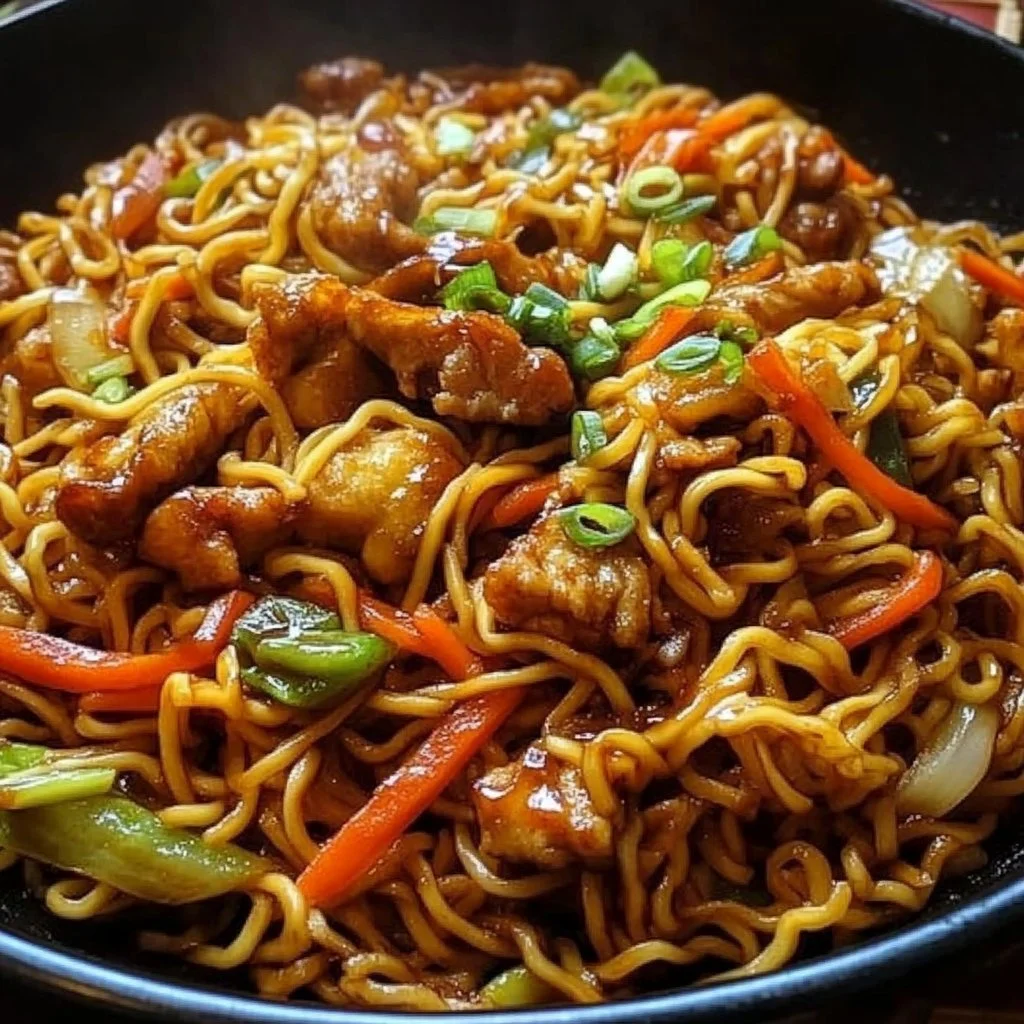
Have you ever found yourself craving a dish that’s not only delicious but also quick and easy to make? Yakisoba noodles might just be the answer to your culinary desires! This Japanese stir-fried noodle dish has won hearts globally with its unique flavors and vibrant colors. But what truly sets Yakisoba Noodles: 7 Irresistible Tips for Perfection apart? The combination of tender noodles, fresh vegetables, and savory sauces creates a meal that’s packed with taste and simplicity.
Imagine biting into perfectly cooked noodles, taking in the delightful crunch of vegetables sautéed to perfection, all brought together by a delicious sauce that has just the right balance of saltiness and umami. This recipe is adaptable, allowing you to customize it with your favorite ingredients based on what you have in your pantry. Whether you’re cooking for a cozy night in or a festive gathering, Yakisoba noodles can steal the spotlight.
One of the remarkable aspects of this dish is its versatility. You can use virtually any type of protein or vegetable to suit your taste or dietary needs. From chicken and cabbage to tofu and mushrooms, you have endless combinations at your disposal. Moreover, it’s a one-pan meal, making cleanup a breeze after a satisfying dinner.
In this article, we’ll explore the ins and outs of preparing yakisoba noodles, ensuring that you achieve maximum flavor and texture with every bite. If you’re ready to impress your family or guests with a delightful homemade meal, stick around for Yakisoba Noodles: 7 Irresistible Tips for Perfection that will turn your kitchen into a bustling noodle house!
Key Benefits of Yakisoba Noodles: 7 Irresistible Tips for Perfection
Why You’ll Love This Recipe
- Quick and Easy: Simple preparation with minimal cooking time.
- Flavorful: Rich and savory, thanks to soy and Worcestershire sauces.
- Versatile: Perfect for using up leftover vegetables or proteins.
- One-Pan Wonder: Easy cleanup with everything cooked in one pan.
- Customizable: Tailor flavors and ingredients to suit any dietary restrictions.
- Comfort Food: Satisfying and hearty, perfect for any occasion.
What Makes It Stand Out
Yakisoba noodles are distinct due to their unique preparation method. The stir-fry technique allows the noodles to absorb the flavors of the sauce while retaining their texture. Unlike other noodle dishes where the ingredients are merely combined, each component of yakisoba is cooked to perfection, leading to a balanced dish full of flavors and textures.
Another standout feature is the flexibility of the recipe. You’re not confined to specific ingredients, allowing creativity in the kitchen. Different proteins and an array of seasonal vegetables can be swapped in effortlessly. This adaptability makes yakisoba the perfect dish to celebrate various occasions, including cozy family dinners or fun gatherings.
Ingredients for Yakisoba Noodles: 7 Irresistible Tips for Perfection
Complete Ingredient List with Measurements
- 200g yakisoba noodles
- 100g chicken breast, sliced
- 1 cup cabbage, shredded
- 1 carrot, julienned
- 1 bell pepper, sliced
- 2 tablespoons soy sauce
- 1 tablespoon Worcestershire sauce
- 1 tablespoon vegetable oil
- Salt and pepper to taste
Substitutes and Alternatives
If you have dietary restrictions or allergies, there are numerous swaps you can make. If you’re avoiding gluten, use gluten-free soy sauce or tamari instead of regular soy sauce. For a vegan version, substitute the chicken with tofu and ensure the Worcestershire sauce is vegan-friendly, as it usually contains anchovies.
If cabbage isn’t your thing, feel free to replace it with broccoli, snap peas, or even spinach. The key to a great yakisoba is to keep the vibrant colors and textures, so experimenting with different vegetables can yield delicious results.
How to Make Yakisoba Noodles: 7 Irresistible Tips for Perfection – Step-by-Step Directions
Step 1 – Prepare Ingredients
Start by gathering all your ingredients. This is crucial to ensure a smooth cooking process. Slice the chicken, shred the cabbage, julienne the carrot, and slice the bell pepper. Having everything ready will make stir-frying quick and efficient.
Step 2 – Cook the Base
Bring a pot of water to a boil and cook the yakisoba noodles according to the package instructions. This usually takes about 3–4 minutes until they are soft but not mushy. Drain the noodles and set them aside to keep them from sticking together.
Step 3 – Heat the Oil
In a large pan or wok, heat 1 tablespoon of vegetable oil over medium heat. Make sure the oil is hot enough before adding the chicken. This helps to seal in the juices and gives the chicken a nice golden color.
Step 4 – Cook the Chicken
Add the sliced chicken breast to the pan. Stir-fry for about 5–7 minutes until the chicken is thoroughly cooked and browned on the outside. Ensure it’s no longer pink in the center to guarantee food safety.
Step 5 – Add the Vegetables
Once the chicken is cooked, toss in the cabbage, carrot, and bell pepper. Stir-fry these vegetables for 3–5 minutes until they are tender yet still crisp. The vibrant colors of the vegetables make the dish visually appealing.
Step 6 – Combine Noodles
Add the cooked yakisoba noodles to the pan with the chicken and vegetables. Gently toss everything together to combine the ingredients. This step is essential for ensuring that the flavors meld together beautifully.
Step 7 – Incorporate Sauces
Pour the soy sauce and Worcestershire sauce over the stirred noodles. Stir everything well, making sure the noodles are evenly coated with the sauces. Cook for an additional 2-3 minutes to allow the flavors to blend.
Step 8 – Season and Serve
Taste your yakisoba and season with salt and pepper to your liking. Once seasoned, remove the pan from heat. Serve hot and enjoy the meal you’ve just crafted with love.
Serving Suggestions for Yakisoba Noodles: 7 Irresistible Tips for Perfection
Best Occasions to Serve This Dish
Yakisoba noodles are great for a casual weeknight dinner or a fun get-together with friends. They are quick to prepare, making them perfect for busy evenings when you still want something comforting and satisfying. This dish also fits well at parties where guests can help themselves, creating a relaxed dining environment.
What to Serve With It
Pair your yakisoba with sides such as edamame or Japanese pickles for a refreshing crunch. A light salad with a sesame dressing can also balance the flavors. For drinks, consider serving cold sake or Japanese beer to complement the dish beautifully.
How to Store Yakisoba Noodles: 7 Irresistible Tips for Perfection Properly
Best Storage Practices
To store leftover yakisoba noodles, allow them to cool to room temperature. Place them in an airtight container and refrigerate. They will stay fresh for up to three days. For longer storage, consider freezing the cooked dish, keeping in mind that fresh vegetables may lose a bit of their crunch after thawing.
Reheating and Freezing Tips
To reheat refrigerated yakisoba noodles, add a splash of water to a pan and heat them over medium heat. Stir frequently until warmed through, ensuring the noodles don’t dry out. For frozen noodles, defrost them overnight in the refrigerator before reheating, or use the microwave for a quick meal.
Tips & Tricks for Yakisoba Noodles: 7 Irresistible Tips for Perfection
Mistakes to Avoid
- Overcooking Noodles: Make sure to cook the yakisoba noodles just right. They should be al dente to hold up during stir-frying.
- Too Much Sauce: Be cautious not to overwhelm the dish with sauces; balance is key for flavor.
- Crowding the Pan: Avoid adding too many ingredients at once; it can lead to steaming rather than stir-frying.
- Insufficient Heat: Make sure your pan is hot enough before adding ingredients to achieve that desirable stir-fry char.
- Skipping the Prep: Always prep your ingredients beforehand for a seamless cooking experience.
Extra Tips for Better Results
For enhanced flavor, consider marinating the chicken in soy sauce and garlic before cooking. Adding a sprinkle of green onions or sesame seeds just before serving can elevate the dish’s presentation and add one more layer of taste. For some heat, a dash of chili flakes or sriracha can make your yakisoba unforgettable.
Recipe Variations of Yakisoba Noodles: 7 Irresistible Tips for Perfection
Creative Twists
Switch up the proteins by using shrimp or beef for a different texture and taste. You can also introduce unique vegetables like zucchini or mushrooms for an earthy flavor. For an Asian-inspired twist, add some kimchi, giving the dish a spicy kick.
Dietary Adjustments
To make a vegetarian version, replace the chicken with tofu or tempeh. Ensure that all sauces are vegan-friendly. For a gluten-free option, use rice noodles or gluten-free soy sauce, adapting the recipe to fit various dietary needs without compromising flavor.
Conclusion about Yakisoba Noodles: 7 Irresistible Tips for Perfection
In conclusion, mastering yakisoba noodles opens up an exciting world of flavors and comforting meals that can be enjoyed any day of the week. With its perfect balance of taste, texture, and ease of preparation, this recipe is a fantastic addition to your culinary repertoire. It allows you to express your creativity, swap ingredients based on preferences, and serve a dish that is sure to impress.
Now that you know the ins and outs of preparing yakisoba noodles, it’s time to gather your ingredients and experience the joy of cooking this delightful dish. Try out Yakisoba Noodles: 7 Irresistible Tips for Perfection—your taste buds will thank you for it!
FAQs about Yakisoba Noodles: 7 Irresistible Tips for Perfection
1 – Can I make yakisoba noodles ahead of time?
Yes, you can prepare them ahead. Store in an airtight container in the refrigerator for up to three days.
2 – How do I freeze yakisoba noodles?
Let them cool and place in a freezer-safe container. They can be frozen for up to three months.
3 – What can I substitute for chicken in the recipe?
Tofu, shrimp, or beef can be used as alternatives depending on your preference.
4 – Are yakisoba noodles gluten-free?
Traditional yakisoba noodles are not gluten-free, but you can use rice noodles or gluten-free alternatives.
5 – How do I reheat leftovers?
Add a splash of water and stir-fry in a pan over medium heat, or microwave them with a damp paper towel.
6 – Can I use different vegetables?
Absolutely! Feel free to experiment with seasonal vegetables like bell peppers, snap peas, or zucchini.
7 – What’s the best way to serve yakisoba?
Serve hot, garnished with sliced green onions or sesame seeds, along with a side of pickles or salad.
8 – How can I make the dish spicier?
Add chili flakes, sriracha, or a spoonful of spicy kimchi to kick up the heat.
9 – What is the best type of noodle for yakisoba?
Traditional yakisoba noodles are ideal, but you can also use udon or even rice noodles as alternatives.
10 – Can I make yakisoba vegetarian?
Yes, just replace the chicken with tofu or tempeh, and ensure all sauces are vegan-compliant.
Yakisoba Noodles
Equipment
- Large Skillet
- Wok
Ingredients
Noodles
- 400 g yakisoba noodles fresh or pre-cooked
Vegetables
- 1 carrot julienned
- 1 bell pepper sliced
- 2 cups cabbage shredded
- 3 cloves garlic minced
- 2 tbsp vegetable oil
Sauce
- 3 tbsp soy sauce
- 1 tbsp oyster sauce
- 1 tbsp ketchup
- 0.5 tsp sesame oil
- salt and black pepper to taste
- green onions sliced, for garnish
- sesame seeds optional, for garnish


Instructions
- Heat vegetable oil in a large skillet or wok over medium-high heat.
- Add minced garlic and sauté for 30 seconds until fragrant.
- Add carrots, bell pepper, and cabbage. Stir-fry for 3–4 minutes until vegetables are slightly tender but still crisp.
- Add yakisoba noodles to the skillet and toss with vegetables.
- In a small bowl, mix soy sauce, oyster sauce, ketchup, and sesame oil. Pour over noodles and vegetables, tossing to coat evenly.
- Cook for another 2–3 minutes until everything is heated through. Adjust seasoning with salt and black pepper as needed.
- Serve hot, garnished with sliced green onions and sesame seeds if desired.