
This post may contain affiliate links. As an Amazon Associate, I earn from qualifying purchases at no extra cost to you.
Table of Contents
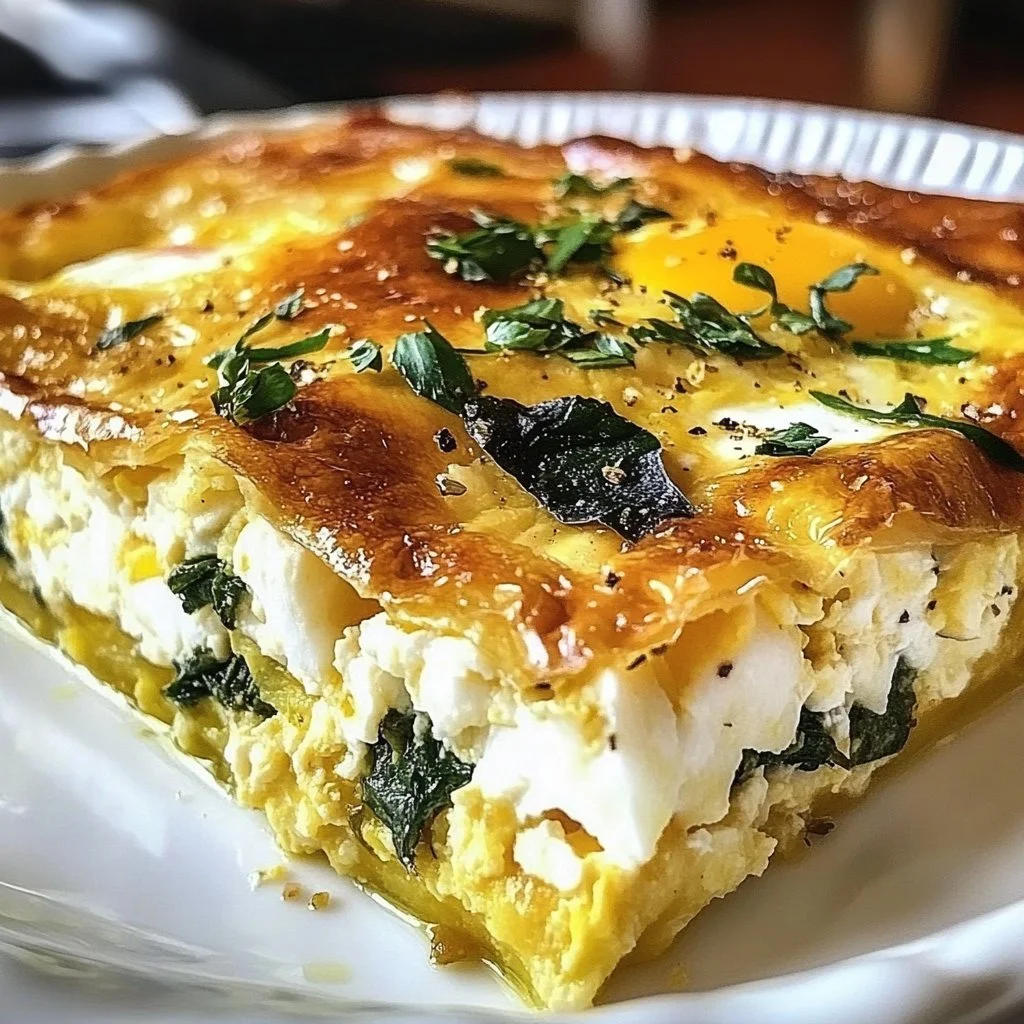
Have you ever craved a comforting dish that brings together the delightful flavors of the Mediterranean? If so, the Greek Egg Casserole: 5 Reasons You’ll Adore This Dish is just what you need. This casserole is more than just a meal; it’s a delightful fusion of ingredients that captures the essence of Greek cuisine. Imagine the savory taste of feta cheese, the vibrant freshness of spinach, and the briny touch of olives, all nestled perfectly within fluffy eggs. This recipe isn’t just easy to prepare but also makes for an impressive dish to share with family and friends.
Why is this Greek Egg Casserole so special? It’s incredibly versatile, allowing you to enjoy it for breakfast, brunch, lunch, or even dinner. You can serve it warm right out of the oven or let it cool for a picnic later. Plus, it’s packed with nutrients, making it a great choice for those looking to keep their meals healthy without sacrificing flavor.
The beauty of this recipe lies in its simplicity. With just a few fresh ingredients, you can whip up a dish that looks and tastes truly gourmet. Whether you’re an experienced cook or a kitchen novice, you’ll find this dish easy to follow. And let’s not forget how budget-friendly it is. This dish allows you to craft a delicious meal without breaking the bank.
As we delve deeper, you’ll discover why the Greek Egg Casserole: 5 Reasons You’ll Adore This Dish deserves a place in your recipe repertoire. Are you ready to excite your taste buds and impress your guests? Let’s explore the key benefits and unique qualities of this beautifully baked dish!
🍴 Top Kitchen Essentials You'll Love



Key Benefits of Greek Egg Casserole: 5 Reasons You’ll Adore This Dish
Why You’ll Love This Recipe
- Flavorful Fusion: The combination of feta, olives, and spinach creates an explosion of taste that transports you to the Mediterranean.
- Simplicity: The straightforward preparation steps make it accessible for cooks of all levels.
- Versatile Meal: Perfect for any time of the day, this dish can easily become a hearty breakfast or a satisfying dinner.
- Nutrient-Packed: Loaded with protein from eggs and nutrients from vegetables, it’s a health-conscious choice.
- Family-Friendly: Kids love the cheesy goodness, making it an easy win for family meals.
What Makes It Stand Out
The Greek Egg Casserole stands out due to its originality. The mix of traditional Greek ingredients gives it a unique flair that’s both exotic and comforting. Unlike typical egg dishes, this casserole serves as a canvas for customization. You can alter the ingredients based on seasonal vegetables or personal preferences, ensuring that each version feels fresh and exciting.
Another reason this dish is notable is its versatility for various occasions. Whether hosting a brunch or preparing a casual weeknight family dinner, the Greek Egg Casserole fits the bill perfectly. You can even prepare it for a potluck, and it will surely be a crowd-pleaser.
Ingredients for Greek Egg Casserole: 5 Reasons You’ll Adore This Dish
Complete Ingredient List with Measurements
- 6 large eggs
- 1 cup milk
- 1 cup crumbled feta cheese
- 1/2 cup pitted olives, sliced
- 2 cups fresh spinach, chopped
- 1 medium onion, diced
- 2 cloves garlic, minced
- 1 tablespoon olive oil
- Salt and pepper to taste
Substitutes and Alternatives
If you have dietary restrictions, don’t worry! You can easily customize the Greek Egg Casserole. For a lower-fat version, swap whole milk for skim or a non-dairy alternative like almond or oat milk. If you’re lactose intolerant, feel free to use a dairy-free feta cheese. For those avoiding gluten, this recipe is already gluten-free, making it a safe choice.
Additionally, if you’re not fond of olives, consider replacing them with some sun-dried tomatoes for a different taste profile. The interchangeable nature of the ingredients means you can adapt it to fit your dietary needs or what you have on hand.
How to Make Greek Egg Casserole: 5 Reasons You’ll Adore This Dish – Step-by-Step Directions
Step 1 – Prepare Ingredients
Start by gathering all your ingredients. Dice the onion, mince the garlic, and chop the spinach. This prep work ensures a smooth cooking process.
Step 2 – Cook the Base
In a skillet, heat the olive oil over medium heat. Add the diced onion and minced garlic, sautéing until they are softened and fragrant, about 3-4 minutes.
Step 3 – Add Spinach
Once the onions are translucent, add the chopped spinach. Cook until wilted, which should only take about 2-3 minutes. Remove the skillet from heat and set it aside.
Step 4 – Whisk Eggs and Milk
In a large bowl, whisk together the eggs and milk until well combined. Don’t forget to season with salt and pepper to taste—this is crucial for flavor.
Step 5 – Combine Ingredients
Add the crumbled feta cheese and sliced olives to the egg mixture, followed by the sautéed spinach, onion, and garlic. Stir gently until everything is well mixed.
Step 6 – Prepare the Baking Dish
Grease a baking dish with a bit of olive oil or cooking spray to prevent sticking.
Step 7 – Pour Mixture into Dish
Carefully pour the egg mixture into the prepared baking dish, spreading it out evenly.
Step 8 – Bake
Place the dish in a preheated oven set to 350°F (175°C). Bake for 30-35 minutes, or until the eggs are set and the top is golden brown.
Step 9 – Cool Slightly
Allow the casserole to cool for a few minutes before slicing. This gives it time to firm up for easier serving.
Step 10 – Serve and Enjoy
Dish out generous servings onto plates, and prepare to savor a delightful meal that everyone will adore!
Serving Suggestions for Greek Egg Casserole: 5 Reasons You’ll Adore This Dish
Best Occasions to Serve This Dish
The beauty of the Greek Egg Casserole is that it can be served on various occasions. Perfect for a relaxing brunch with friends, it can also shine at family gatherings or dinner parties. Want to surprise someone special? This casserole is a great dish for celebratory breakfasts or holiday meals. It’s also fantastic as a make-ahead meal for busy weekday mornings.
What to Serve With It
Enhance your meal with complementary sides:
- Fresh mixed greens salad drizzled with lemon vinaigrette
- Avocado slices or guacamole for a creamy texture
- Freshly baked bread or warm pita for dipping
- A light yogurt dip seasoned with herbs
- A glass of fresh orange juice or a light, crisp white wine for adults
How to Store Greek Egg Casserole: 5 Reasons You’ll Adore This Dish Properly
Best Storage Practices
To store leftover Greek Egg Casserole, let it cool to room temperature. Cover it tightly with plastic wrap or transfer it to an airtight container. It can be stored in the refrigerator for up to 4 days.
Reheating and Freezing Tips
When you’re ready to enjoy the leftovers, simply preheat your oven to 350°F (175°C) and place the casserole dish inside for about 15-20 minutes, or until heated through. If you wish to freeze it, slice it into portions and wrap each piece tightly before placing them in a freezer-safe bag. It can last for up to three months in the freezer.
Tips & Tricks for Greek Egg Casserole: 5 Reasons You’ll Adore This Dish
Mistakes to Avoid
- Overcooking the Eggs: Keep an eye on your casserole; overbaked eggs can become rubbery.
- Skipping Seasoning: Ensure you season well. Underseasoned dishes can be bland.
- Using Fresh Spinach Only: Sturdier greens like kale can also work and may add a different texture.
- Forgetting to Preheat the Oven: Ensure your oven is fully preheated for consistent cooking.
- Not Allowing to Cool: Let it sit before serving to help the flavors meld.
Extra Tips for Better Results
Consider adding a sprinkle of fresh herbs like dill or oregano for a burst of flavor. Using high-quality feta cheese can also elevate the dish. If you want to enhance presentation, try garnishing with additional spinach leaves and olives right before serving.
Recipe Variations of Greek Egg Casserole: 5 Reasons You’ll Adore This Dish
Creative Twists
- Mediterranean Veggie Version: Add roasted red peppers and artichoke hearts for a vibrant twist.
- Meat Lover’s Option: Include cooked and crumbled sausage or diced ham for added heartiness.
- Spicy Kick: Incorporate red pepper flakes or jalapeños for a bit of heat.
- Herbed Delight: Mix in fresh herbs like basil or parsley for a fresher flavor profile.
Dietary Adjustments
For vegan adaptations, substitute eggs with a chickpea flour mixture or tofu scramble. You can also replace dairy with plant-based cheese alternatives. To make it gluten-free, simply ensure all processed ingredients are certified gluten-free, as this recipe inherently does not include gluten.
Conclusion about Greek Egg Casserole: 5 Reasons You’ll Adore This Dish
Trying the Greek Egg Casserole: 5 Reasons You’ll Adore This Dish is an experience you won’t soon forget. It combines rich Mediterranean flavors in a simple, healthy, and enjoyable way. Not only is it easy to make, but its versatility means you can enjoy it for breakfast, lunch, or dinner, making it a kitchen staple. The nutritious ingredients and comforting tastes will please any palate. So gather your loved ones, prepare this delightful casserole, and take a bite out of a dish that’s made to be adored. You may just find this will become a staple in your own home, celebrated across many meals and occasions.
FAQs about Greek Egg Casserole: 5 Reasons You’ll Adore This Dish
Can I prepare it ahead of time? Yes! You can assemble the casserole a day before and store it in the refrigerator. Just bake it when you’re ready.
Can I freeze it? Absolutely! Just slice into portions and freeze in airtight containers.
How long does it last? The casserole lasts up to 4 days in the refrigerator and 3 months in the freezer.
What are the best substitutions? You can swap feta for any cheese, milk for a dairy-free option, and adjust vegetables based on what you have.
Is this recipe family-friendly? Yes! It’s packed with flavors that kids typically love, like cheese and eggs.
Can I add meat to it? Definitely! Ham, bacon, or sausage would make delicious additions.
What herbs work best? Fresh parsley, dill, and oregano add wonderful flavors.
Can I modify it to be gluten-free? Yes, this recipe is already gluten-free!
What if I can’t find feta cheese? Crumbled goat cheese or ricotta can be used instead.
Is this dish suitable for vegetarians? Yes, it is entirely vegetarian-based!

Greek Egg Casserole
Ingredients
Main Ingredients
- 6 large eggs
- 1 cup milk Can substitute with skim or non-dairy milk
- 1 cup crumbled feta cheese Can be replaced with dairy-free feta if lactose intolerant
- ½ cup pitted olives, sliced Sun-dried tomatoes can be used as a substitute
- 2 cups fresh spinach, chopped Sturdier greens like kale can also work
- 1 medium onion, diced
- 2 cloves garlic, minced
- 1 tablespoon olive oil For sautéing
- Salt and pepper to taste Don’t forget to season!


Instructions
Preparation
- Gather all your ingredients. Dice the onion, mince the garlic, and chop the spinach.
- In a skillet, heat the olive oil over medium heat. Add the diced onion and minced garlic, sautéing until softened, about 3-4 minutes.
- Add the chopped spinach to the skillet. Cook until wilted, about 2-3 minutes, then remove from heat.
- In a large bowl, whisk together the eggs and milk. Season with salt and pepper.
- Add the crumbled feta cheese and sliced olives to the egg mixture, followed by the sautéed spinach, onion, and garlic. Stir gently until well mixed.
- Grease a baking dish with olive oil or cooking spray to prevent sticking.
- Pour the egg mixture into the prepared baking dish, spreading evenly.
Baking
- Preheat oven to 350°F (175°C) and bake for 30-35 minutes until the eggs are set and the top is golden brown.
- Allow the casserole to cool for a few minutes before slicing.
Serving
- Dish out onto plates and enjoy!