
This post may contain affiliate links. As an Amazon Associate, I earn from qualifying purchases at no extra cost to you.
Table of Contents
🍴 Top Kitchen Essentials You'll Love


Introduction to Korean Beef Bulgogi
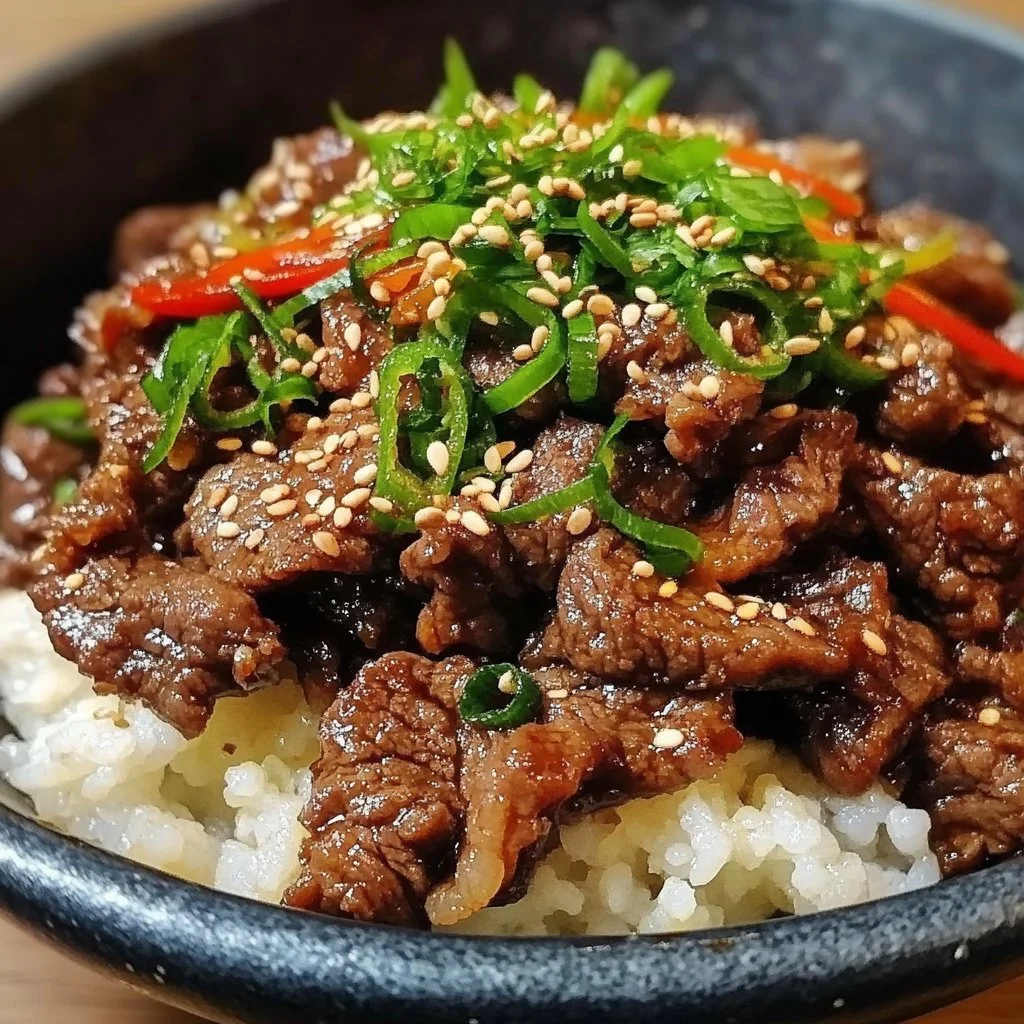
Are you ready to embark on a culinary journey that marries delightful flavors and savory goodness? If you’ve never tasted Korean Beef Bulgogi, you’re in for a real treat. This iconic Korean dish, renowned for its tender, marinated beef, brings the rich and vibrant flavors of Korean cuisine straight to your kitchen. Each slice of beef melts in your mouth, infused with a harmonious blend of sweet, savory, and slightly spicy notes.
What makes Korean Beef Bulgogi so special? The secret lies in its marinade, which incorporates ingredients like soy sauce, brown sugar, and sesame oil, creating a rich glaze that caramelizes beautifully during cooking. Plus, the optional addition of gochujang paste can give it an extra kick that spice lovers will adore. Whether you’re hosting a dinner party or simply want a comforting meal at home, this dish is versatile enough to impress.
Have you ever wondered how a recipe can be both simple and exquisite? Korean Beef Bulgogi provides just that. With just a few steps, you can transform everyday ingredients into an unforgettable dish.
It’s not only about the flavors but also the experience of making it. The process involves marinating the beef, chopping fresh vegetables, and cooking everything to perfection. These steps might sound simple, yet they unfold into a deliciously satisfying meal, perfect for sharing. Enjoy it served over steamed rice or wrapped in crisp lettuce leaves, making each bite a flavorful delight.
So why not try your hand at making homemade Korean Beef Bulgogi? You just might find yourself falling in love with this delightful dish, craving it for every occasion and becoming a staple in your home-cooked meals.
Key Benefits of Korean Beef Bulgogi
Why You’ll Love This Recipe
- Flavor Explosion: A perfect balance of sweet, savory, and spicy.
- Quick and Easy: Simple preparation and cooking steps.
- Versatile Serving Options: Enjoy it over rice or in lettuce wraps.
- Customizable: Adjust the marinade ingredients to your taste.
- Healthy Ingredients: Packed with fresh vegetables and lean beef.
- Impressive Presentation: Looks as good as it tastes!
What Makes It Stand Out
Korean Beef Bulgogi is not just a meal; it’s a celebration of flavor and culture. Its originality comes from the way it incorporates traditional Korean ingredients, which makes each bite a journey through Korea’s culinary heritage. While many folks might be familiar with stir-fry, this recipe elevates it by focusing on marinating the beef, ensuring that every piece is coated in flavor.
One of the best occasions to prepare Korean Beef Bulgogi is during family gatherings or special celebrations. The dish allows everyone to enjoy their meal with interactive elements—each guest can wrap their own bite, choosing their favorite combinations of beef and fresh vegetables. It fosters a communal dining experience that everyone can partake in, making it ideal for gatherings.
Ingredients for Korean Beef Bulgogi
Complete Ingredient List with Measurements
- 680 g ribeye or sirloin steak, thinly sliced against the grain
- 90 ml soy sauce
- 36 g brown sugar
- 30 ml sesame oil
- 4 garlic cloves, minced
- 15 g fresh ginger, grated
- 60 g Asian pear or red apple, grated
- 30 ml mirin (optional)
- 15 g gochujang paste (optional, for spice)
- 0.25 g ground black pepper
- 14 g green onion, finely chopped
- 5 g toasted sesame seeds
- 15 ml neutral oil
- 1 small onion, thinly sliced
- 1 medium carrot, julienned
- 100 g mushrooms (shiitake or white button), sliced
- 15 g butter, melted
- 15 g honey
- Cooked rice, for serving
- Lettuce leaves or perilla leaves, for wrapping
- Extra toasted sesame seeds and sliced green onions, for garnish
Substitutes and Alternatives
If you’re looking to make substitutions for specific dietary needs or allergies, there are plenty of options available. For instance, if you need a gluten-free version, you can replace soy sauce with tamari or coconut aminos, which are suitable for gluten-sensitive individuals.
For those who prefer a lower-sugar option, consider reducing the brown sugar or substituting it with a natural sweetener such as stevia or agave syrup. If you can’t find Asian pear, red apple provides a similar sweetness and texture, making it a fantastic alternative.
In terms of protein, feel free to swap the ribeye or sirloin steak for thinly sliced chicken breast, pork, or even firm tofu for a vegetarian variation. The marinade will still work beautifully with these alternatives, ensuring that your dish remains flavorful.
How to Make Korean Beef Bulgogi – Step-by-Step Directions
Step 1 – Prepare Ingredients
Start by placing the beef in the freezer for about 30 minutes. This will help firm it up, making it easier to slice thinly against the grain. Using a sharp knife, slice the beef into thin strips, ensuring you maintain consistency in thickness for even cooking.
Step 2 – Create the Marinade
In a large mixing bowl, combine the soy sauce, brown sugar, sesame oil, minced garlic, grated ginger, and grated Asian pear or red apple. If using, stir in the mirin and gochujang for an additional layer of flavor. Finish by adding ground black pepper, green onions, and sesame seeds. Whisk everything thoroughly to create a smooth marinade.
Step 3 – Marinate the Beef
Add the sliced beef to the marinade, ensuring every piece is thoroughly coated. Cover the bowl with plastic wrap or a lid, and let it marinate in the refrigerator for at least 60 minutes. For maximum flavor, consider leaving it overnight.
Step 4 – Prepare Vegetables
While the beef is marinating, slice the onion, julienne the carrot, and slice the mushrooms. Having your vegetables prepared ahead of time will streamline the cooking process later on.
Step 5 – Heat the Cooking Device
When you’re ready to cook, heat a grill pan or cast iron skillet over medium-high heat. Once hot, add neutral oil to the pan, allowing it to heat up quickly.
Step 6 – Cook the Beef
Remove the marinated beef from the refrigerator. Add the beef slices to the hot pan in batches, making sure not to overcrowd the pan. Sear the beef for 2–3 minutes on each side until it’s caramelized and cooked through.
Step 7 – Glaze the Beef
Before the beef finishes cooking, drizzle in the melted butter and honey mixture. Toss everything quickly to ensure the beef gets a lovely glaze, enhancing the flavor. Once done, remove the beef from the pan and set aside.
Step 8 – Cook the Vegetables
In the same pan, add the sliced onion, julienned carrot, and mushrooms. Sauté the vegetables for about 3–4 minutes, until they become tender and slightly caramelized. This step adds depth to the dish, complementing the beef beautifully.
Step 9 – Combine Beef and Vegetables
Return the cooked beef to the pan with the sautéed vegetables. Toss everything together gently, ensuring a delightful mix of textures and flavors throughout.
Step 10 – Serve with Love
Arrange the beef and vegetables on a serving platter, garnishing with extra sesame seeds and sliced green onions. Serve immediately with steamed rice or wrapped in lettuce leaves, along with kimchi if desired.
Serving Suggestions for Korean Beef Bulgogi
Best Occasions to Serve This Dish
Korean Beef Bulgogi is perfect for various occasions, whether it’s a family dinner, a festive gathering, or a casual get-together with friends. Its vibrant flavors and beautiful presentation make it an enticing centerpiece on any dining table.
You can serve it at celebrations like birthdays, anniversaries, or even during the holidays when you want to impress your guests. The interactive element of wrapping the beef in lettuce or perilla leaves adds a fun and unique touch to dining, enhancing the experience for everyone.
What to Serve With It
To make your meal complete, consider pairing Korean Beef Bulgogi with these delicious sides:
- Steamed white rice or kimchi fried rice for an extra kick.
- Freshly made kimchi to enhance the flavors.
- Sautéed leafy greens or fresh salad for added texture.
- A refreshing cucumber salad on the side to balance the richness.
For drinks, traditional beverages like Korean Soju or sweet rice drink (Sikhye) complement the meal splendidly.
How to Store Korean Beef Bulgogi Properly
Best Storage Practices
To store any leftover Korean Beef Bulgogi, let it cool to room temperature before transferring it to an airtight container. It can be refrigerated for up to three days, maintaining the flavors without compromising the textures.
For longer storage, you can freeze the beef before cooking. Place it in a freezer-safe bag or container with the marinade and freeze for up to three months. Just be sure to label your bag with the date for convenience.
Reheating and Freezing Tips
When you’re ready to enjoy the leftovers, reheat the beef in a skillet over low heat. This will help retain the flavors and moisture without making it tough. For frozen beef, thaw it in the refrigerator overnight before reheating.
Microwave reheating is another option, but be careful not to overheat, as that can lead the beef to become dry. Checking frequently will help to promote even reheating.
Tips & Tricks for Korean Beef Bulgogi
Mistakes to Avoid
1 – Not Slicing Against the Grain
Always slice the beef against the grain. This technique ensures tender bites and enhances the eating experience.
2 – Skipping the Marinade Time
The marinade is crucial for flavor! Avoid rushing this step; allowing the beef to marinate for at least an hour makes a significant difference.
3 – Overcrowding the Pan When Cooking
Overcrowding leads to steaming rather than searing, preventing that delicious caramelization. Cook in batches for the best results.
4 – Using Low-Quality Beef
Choosing a less tender cut can diminish the dish. Opt for fresh ribeye or sirloin for optimal flavor and texture.
5 – Ignoring the Vegetables
For a well-rounded meal, don’t skip the vegetables. They add flavor, nutrition, and balance to the dish.
Extra Tips for Better Results
For enhanced flavor, experiment with adding a splash of rice vinegar to the marinade. This will accentuate the tang and brightness of the dish.
If you’re interested in presentation, consider arranging the beef and vegetables on a large platter and garnishing with additional herbs or sesame seeds. Serving with colorful vegetables not only boosts flavor but makes for an impressive display at the dinner table.
Recipe Variations of Korean Beef Bulgogi
Creative Twists
1 – Korean Beef Tacos
Transform your Korean Beef Bulgogi into a fun taco night! Use corn or flour tortillas, add fresh cilantro, diced onions, and a drizzle of spicy mayo for a unique fusion dish.
2 – Bulgogi Bowls
Create a hearty bulgogi bowl by serving the beef over brown rice or quinoa and topping with avocado slices, pickled vegetables, and a sprinkle of sesame seeds.
3 – Grilled Bulgogi Skewers
For a summer twist, thread marinated beef onto skewers along with bell peppers, onions, and cherry tomatoes before grilling for quick and delicious bites.
Dietary Adjustments
To make this dish vegan-friendly, substitute the beef with firm tofu or jackfruit that has been marinated and grilled. Replace the honey with maple syrup or agave nectar to keep it plant-based.
For a gluten-free version, simply swap out the soy sauce with tamari and ensure any other sauces are gluten-free too. Dietary adjustments can open up Korean Beef Bulgogi to many dietary needs while keeping the essence of the dish intact.
Conclusion about Korean Beef Bulgogi
Korean Beef Bulgogi is more than just a meal; it’s an experience that encapsulates the warmth and vibrancy of Korean cuisine. With its perfect blend of flavors and the joy of communal dining, it becomes a dish that’s not only delicious but also memorable.
Whether you stick to the traditional recipe or embrace creative variations, Korean Beef Bulgogi promises to satisfy the taste buds and bring a slice of Korean culture to your table. So, gather your ingredients, follow the steps, and indulge in the comfort and delight that this dish offers. You won’t be disappointed when you put your own spin on this classic favorite.
FAQs about Korean Beef Bulgogi
Can I make Korean Beef Bulgogi ahead of time?
Yes, you can marinate the beef the night before and cook it just before serving to ensure optimal flavor.
What can I use instead of gochujang?
If you don’t have gochujang, you can use sriracha or red pepper flakes as an alternative, although they’ll offer a different flavor profile.
Is Korean Beef Bulgogi gluten-free?
It can be made gluten-free by using tamari instead of regular soy sauce and ensuring all your other ingredients are gluten-free.
How long can I store leftovers in the fridge?
Leftovers can be stored in the refrigerator for up to three days in an airtight container.
Can I freeze Korean Beef Bulgogi?
Yes, you can freeze the marinated beef before cooking it for up to three months. Ensure it’s in a freezer-safe container.
What vegetables work well with Korean Beef Bulgogi?
In addition to onions, carrots, and mushrooms, you can add bell peppers, zucchini, or even bok choy for added flavor and nutrients.
How do I reheat Korean Beef Bulgogi?
Reheat in a skillet over low heat until warmed through, or microwave it carefully, checking frequently to prevent drying out.
Can I use chicken instead of beef?
Absolutely! Chicken thighs or breast can be used with the same marinade for a delicious alternative.
Is this recipe spicy?
The spice level can be adjusted by omitting the gochujang or reducing the amount based on your preference.
Korean Beef Bulgogi
Equipment
- Mixing Bowl
- Large Skillet or Grill Pan
- Knife
Ingredients
Beef Bulgogi
- 1 lb beef sirloin or ribeye thinly sliced against the grain
- ⅓ cup soy sauce low sodium preferred
- 2 tbsp brown sugar
- 1 Asian pear grated (or apple)
- 3 cloves garlic minced
- 1 tbsp fresh ginger grated
- 1 tbsp sesame oil
- 1 small onion thinly sliced
- 2 green onions sliced
- 1 tbsp sesame seeds for garnish
- black pepper to taste



Instructions
- In a mixing bowl, whisk together soy sauce, brown sugar, grated pear, garlic, ginger, sesame oil, and black pepper.
- Add sliced beef and onion to the marinade and toss to coat evenly. Marinate for at least 30 minutes.
- Heat a large skillet or grill pan over medium-high heat.
- Cook the marinated beef in batches for 2–3 minutes per side until cooked through and lightly caramelized.
- Garnish with green onions and sesame seeds before serving.