
This post may contain affiliate links. As an Amazon Associate, I earn from qualifying purchases at no extra cost to you.
Table of Contents
🍴 Top Kitchen Essentials You'll Love


Introduction to New Year Bread: 7 Reasons to Bake This Comforting Classic
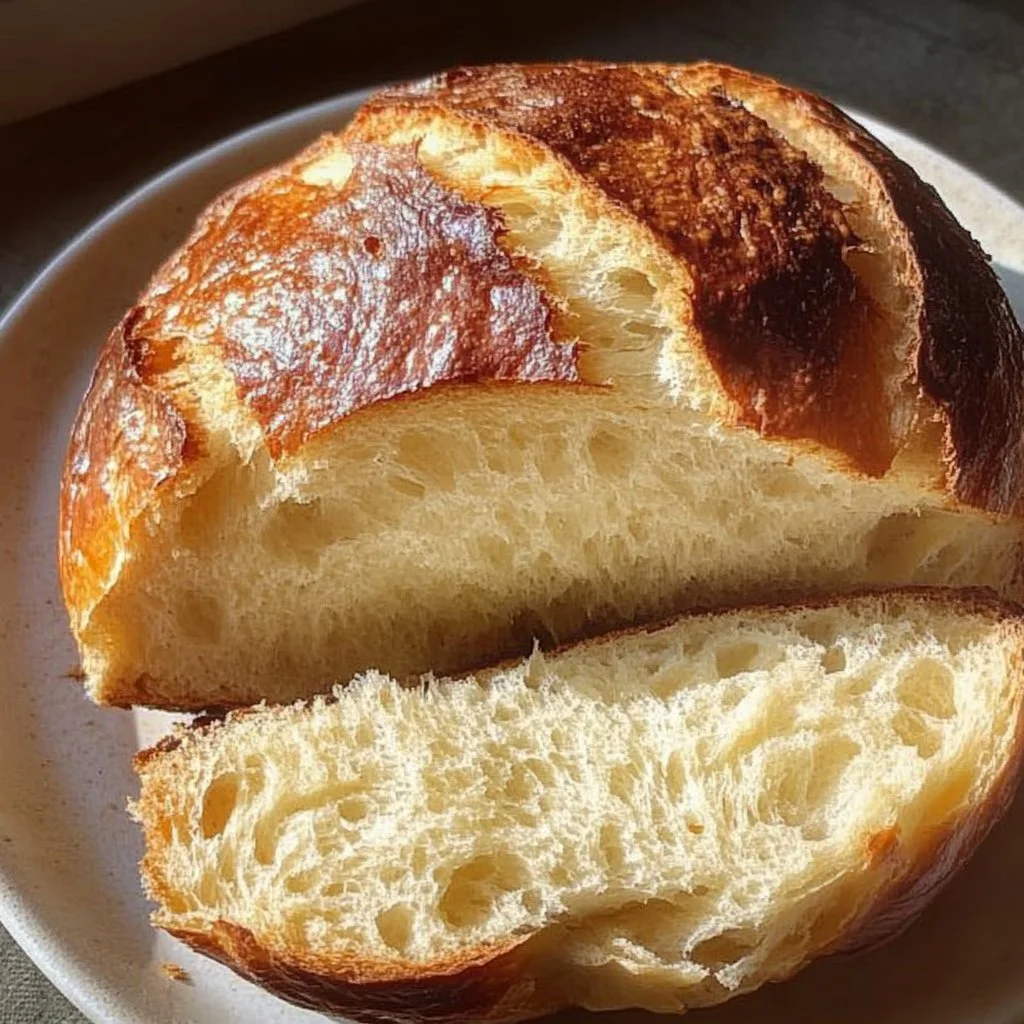
When was the last time you bit into a piece of warm, freshly baked bread? The comforting aroma fills the kitchen, and that first taste is simply unforgettable. If you’re looking for a recipe that captures the essence of warmth and joy, the New Year Bread: 7 Reasons to Bake This Comforting Classic is exactly what you need. This homemade delight isn’t just a treat; it’s an experience.
Baking your New Year Bread offers more than just the satisfaction of creating something delicious. It brings together family and friends, making every bite a shared memory. The simplicity of the ingredients—flour, water, sugar, salt, yeast, and olive oil—means that you can create something extraordinary without a long list of exotic items. It’s the kind of bread that complements any meal or can be savored on its own.
What makes this bread truly special is its versatility. Whether you’re preparing for a New Year celebration or a casual family dinner, this bread makes every occasion feel festive. Imagine pulling a golden, crusty loaf out of the oven, the steam rising as you slice into it. Why settle for store-bought bread when you can create your own comforting classic? The New Year Bread: 7 Reasons to Bake This Comforting Classic symbolizes new beginnings and endless possibilities, inviting you to partake in the joy of baking from scratch.
Key Benefits of New Year Bread: 7 Reasons to Bake This Comforting Classic
- Delicious Flavor: Each bite is wonderfully soft yet has a lovely crust that adds texture and taste.
- Simplicity: With just a few basic ingredients, this recipe is straightforward and easy to follow.
- Versatility: Pair it with soups, salads, or serve it as sandwiches—the options are endless!
- Homemade Goodness: Experience the joy of baking something from scratch, filling your home with delightful aromas.
- Family Bonding: Involve kids or family members in the baking process for a fun and memorable experience.
- Perfect for Celebrations: A fantastic addition to holiday tables or gatherings, enhancing every meal with warmth.
What Makes It Stand Out
What sets apart the New Year Bread: 7 Reasons to Bake This Comforting Classic is its originality. Unlike commercial bread that often includes additives and preservatives, this homemade loaf is pure, wholesome, and made with love. The process of making bread is essentially a connection to tradition. Each loaf tells a story as family recipes are passed down through generations.
Customization is another standout feature. While the base recipe is perfect on its own, there’s room for interpretation. Add herbs for a savory twist or dried fruits for a sweet version. The best occasions to bake this bread include family gatherings, holiday celebrations, or simply as a weekend project to enjoy with your loved ones. The moment you share freshly baked bread is always special.
Ingredients for New Year Bread: 7 Reasons to Bake This Comforting Classic
Complete Ingredient List with Measurements
- 3 cups all-purpose flour
- 1 cup warm water
- 2 tablespoons sugar
- 1 tablespoon salt
- 2 teaspoons active dry yeast
- 2 tablespoons olive oil
Substitutes and Alternatives
If you have allergies or specific dietary needs, there are plenty of substitutes for the ingredients used in this recipe. For instance, if you need a gluten-free option, use a gluten-free flour blend designed for baking bread.
For those who prefer a healthier choice, you could swap out olive oil for avocado oil or melted coconut oil. If you’re looking to reduce sugar, consider using honey or agave syrup, just keep in mind that liquid sweeteners may alter the dough’s consistency slightly.
How to Make New Year Bread: 7 Reasons to Bake This Comforting Classic – Step-by-Step Directions
Step 1 – Prepare Ingredients
Gather all the ingredients and set them on your kitchen counter. Make sure your water is warm, but not boiling, to activate the yeast without killing it. Measure out the flour, sugar, salt, and olive oil for easy access.
Step 2 – Activate the Yeast
In a mixing bowl, combine the warm water with the sugar and yeast. Allow it to sit for about 5 minutes until it becomes frothy. This step is crucial as it ensures the yeast is alive and ready to help your bread rise.
Step 3 – Mix Ingredients
Add the olive oil and salt to the yeast mixture. Stir gently to combine them before adding the flour. This helps evenly distribute the flavors throughout your dough.
Step 4 – Form the Dough
Gradually incorporate the flour into the yeast mixture. Use a wooden spoon or your hands to mix until a shaggy dough forms. You want it to be slightly sticky but manageable.
Step 5 – Knead the Dough
Transfer the dough onto a floured surface. Knead it for about 10 minutes until it becomes smooth and elastic. This develops the gluten, creating that perfect bread texture we all love.
Step 6 – First Rise
Once kneaded, place the dough in a greased bowl, ensuring it’s coated with a thin layer of oil. Cover the bowl with a damp cloth and let it rise in a warm spot for about 1 hour or until it has doubled in size.
Step 7 – Shape the Loaf
After the dough has risen, gently punch it down to release any air bubbles. Shape it into a loaf form, tucking in the edges for a neat finish.
Step 8 – Second Rise
Place the shaped loaf into a greased pan. Cover it again with the damp cloth and let it rise for another 30 minutes. This second rise is essential for a light and fluffy bread.
Step 9 – Bake
Preheat your oven to 375°F (190°C). Once the second rise is complete, pop the loaf in the oven and bake for about 30 minutes. It’s done when the crust is golden brown and sounds hollow when tapped on the bottom.
Step 10 – Cool
Remove the bread from the oven and let it cool in the pan for a few minutes. Then transfer it to a wire rack to cool completely before slicing.
Serving Suggestions for New Year Bread: 7 Reasons to Bake This Comforting Classic
Best Occasions to Serve This Dish
The New Year Bread: 7 Reasons to Bake This Comforting Classic is perfect for a range of occasions. Serve it during holiday dinners as a comforting side, or enjoy it at brunch with a variety of spreads. It works wonderfully for shared meals and can brighten up any gathering.
What to Serve With It
Pair your loaf with warm soups, hearty salads, or serve it alongside spreads like hummus, garlic butter, or jams. For a refreshing touch, consider serving it with a light green salad or alongside charcuterie boards for a delightful blend of flavors.
How to Store New Year Bread: 7 Reasons to Bake This Comforting Classic Properly
Best Storage Practices
To maintain the freshness of your New Year Bread: 7 Reasons to Bake This Comforting Classic, first allow it to cool completely. Store it in an airtight container or wrap it in plastic wrap to keep it soft. You can keep it at room temperature for 2-3 days.
Reheating and Freezing Tips
For longer storage, slice the bread and freeze it in an airtight bag. To enjoy it later, simply thaw the slices at room temperature or reheat them in a toaster or oven. Perfect for when you need a quick, comforting bite.
Tips & Tricks for New Year Bread: 7 Reasons to Bake This Comforting Classic
Mistakes to Avoid
1 – Not Activating the Yeast: Always ensure your yeast is active by checking for bubbles. If it doesn’t foam, your bread won’t rise.
2 – Over-Kneading Dough: Kneading is important, but overdoing it can lead to tough bread. Ideal kneading time is around 10 minutes.
3 – Skipping the Rise Time: Give the dough enough time to rise; this is crucial for texture and fullness.
4 – Using Cold Ingredients: Make sure your water is warm and ingredients are at room temperature for better yeast performance.
5 – Not Measuring Accurately: Baking is a science; measure correctly to ensure success.
Extra Tips for Better Results
For a more flavorful loaf, consider adding herbs or spices to the dough, such as garlic powder or rosemary. Brushing the top of the loaf with melted butter right after baking adds a beautiful shine and rich flavor.
Recipe Variations of New Year Bread: 7 Reasons to Bake This Comforting Classic
Creative Twists
1 – Herb-Infused Bread: Add fresh or dried herbs to your dough for a savory loaf that complements hearty meals well.
2 – Sweet Bread Option: Include dried fruits like raisins or cranberries and a sprinkle of cinnamon for a sweet twist, perfect for breakfast.
3 – Cheesy Goodness: Mix in shredded cheese like cheddar or parmesan for a cheesy variant that’s irresistible.
Dietary Adjustments
For a vegan version, substitute olive oil with a plant-based oil and the sugar with agave syrup. If gluten-free, use a gluten-free flour blend, ensuring to adjust the liquid as necessary.
Conclusion about New Year Bread: 7 Reasons to Bake This Comforting Classic
In conclusion, the New Year Bread: 7 Reasons to Bake This Comforting Classic is a fabulous addition to any kitchen. It’s not just about creating a loaf of bread; it’s about the experience, the warmth, and the memories created in the process. This easy, homemade recipe can become a family tradition, passed down through generations.
Baking bread at home gives you control over ingredients and offers the ultimate comfort that store-bought loaves simply can’t match. From satisfying your cravings to celebrating special occasions, this bread is sure to impress. So, roll up your sleeves and start baking—your kitchen and your taste buds will thank you!
FAQs about New Year Bread: 7 Reasons to Bake This Comforting Classic
How long will the New Year Bread last?
When stored properly, the New Year Bread can last for about 2-3 days at room temperature.
Can I freeze New Year Bread?
Yes, you can freeze New Year Bread. Slice it and store it in an airtight container for up to 3 months.
What can I do if my yeast doesn’t activate?
If your yeast doesn’t bubble, it may be expired or the water was too hot. Start again with fresh yeast and warm water around 110°F.
Can I use whole wheat flour instead of all-purpose flour?
Yes, you can use whole wheat flour, but the texture and flavor will be different. Use a mix of both for the best results.
What’s the best way to reheat New Year Bread?
Reheat slices in a toaster or warm them in an oven for a few minutes to refresh their texture.
Can I make this bread ahead of time?
Absolutely! Prepare the dough in advance and let it rise overnight in the fridge before shaping and baking.
Is it possible to make this bread without gluten?
Yes, by using a gluten-free flour blend, you can adapt this recipe for a gluten-free version.
How do I know when the bread is done baking?
The bread is done when it’s golden brown and sounds hollow when tapped on the bottom. Using a thermometer, 190°F internal temperature indicates doneness.

New Year Bread
Ingredients
Main Ingredients
- 3 cups all-purpose flour
- 1 cup warm water Should be warm, not boiling
- 2 tablespoons sugar Can substitute with honey or agave syrup
- 1 tablespoon salt
- 2 teaspoons active dry yeast Ensure it’s still active
- 2 tablespoons olive oil Can substitute with avocado oil or melted coconut oil


Instructions
Preparation
- Gather all the ingredients and set them on your kitchen counter.
- In a mixing bowl, combine warm water with sugar and yeast. Allow to sit for 5 minutes until frothy.
- Add olive oil and salt to the yeast mixture and stir gently.
- Gradually incorporate flour into the yeast mixture until a shaggy dough forms.
- Transfer the dough onto a floured surface and knead for about 10 minutes until smooth and elastic.
- Place the dough in a greased bowl and cover with a damp cloth. Let rise in a warm spot for about 1 hour or until doubled in size.
Baking
- After rising, punch down the dough gently and shape into a loaf.
- Place the loaf into a greased pan and cover again. Let it rise for another 30 minutes.
- Preheat oven to 375°F (190°C). Bake the loaf for about 30 minutes until golden brown.
- Remove from oven and cool in the pan for a few minutes, then transfer to a wire rack.