
This post may contain affiliate links. As an Amazon Associate, I earn from qualifying purchases at no extra cost to you.
Table of Contents
🍴 Top Kitchen Essentials You'll Love


Introduction to Spring Vegetable Pasta
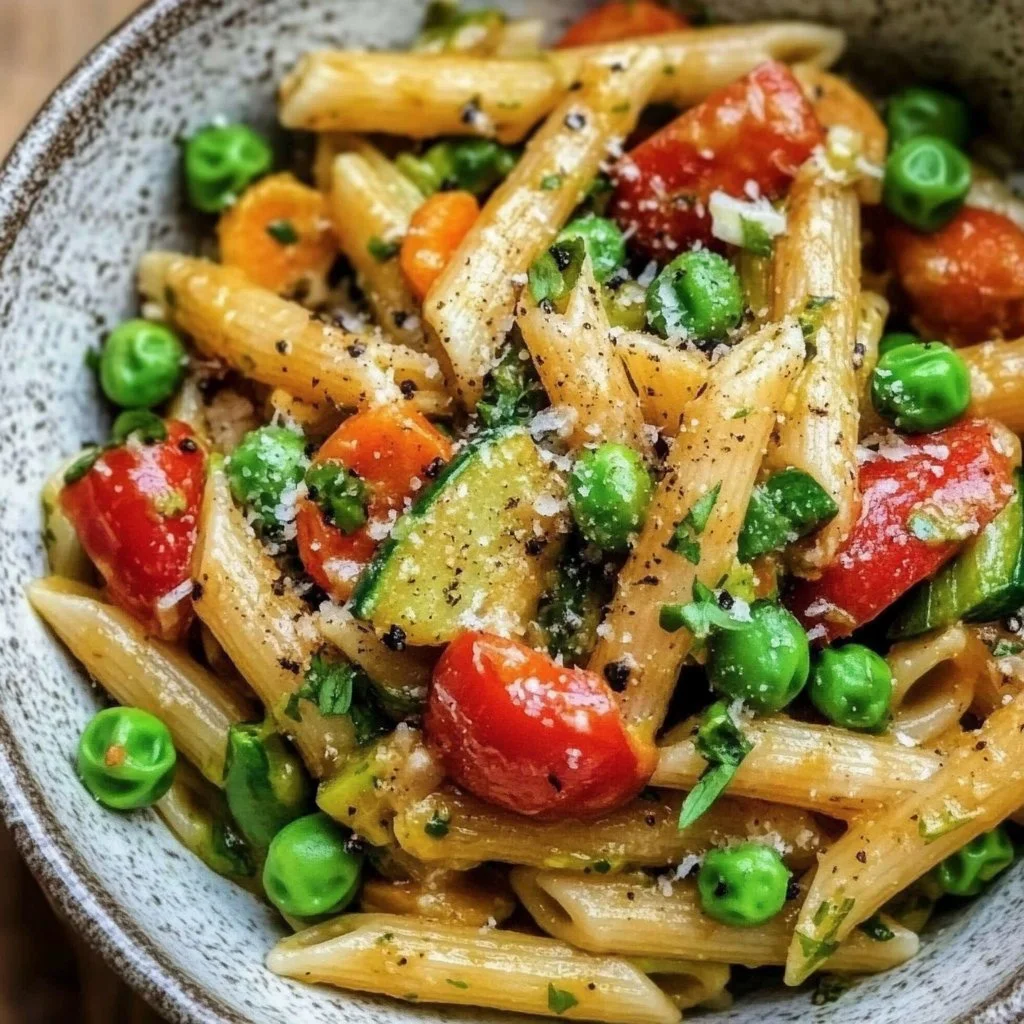
Spring is a season that bursts forth with freshness, inviting us to explore vibrant flavors and colorful ingredients. What better way to celebrate this season than with a bowl of Spring Vegetable Pasta? This dish beautifully combines the essence of spring with delightful textures and refreshing tastes. Imagine twirling your fork through perfectly cooked pasta, complemented by snappy asparagus, sweet peas, and juicy cherry tomatoes—all enhanced with a splash of bright lemon juice. Doesn’t that sound irresistible?
One of the standout features of Spring Vegetable Pasta is how easy it is to prepare. Within a short time, you can whip up a meal that’s packed with seasonal vegetables and is both nourishing and satisfying. The dish exemplifies the beauty of using fresh, high-quality ingredients, which keeps each bite flavorful and exciting. Whether you’re having a casual dinner at home or hosting friends for lunch, this recipe is sure to impress.
What’s special about Spring Vegetable Pasta is its versatility. It can be served as a main course or as a side dish, making it perfect for any occasion. Plus, it allows for customization—feel free to add grilled chicken or shrimp for a protein boost, or switch out the vegetables based on what you have on hand. This flexibility showcases the dish’s ability to cater to various tastes and dietary preferences. With all these elements coming together, it’s clear that Spring Vegetable Pasta is not only delicious but also an easy way to embrace the spring season in a nutritious way.
Key Benefits of Spring Vegetable Pasta
Why You’ll Love This Recipe
- Fresh, vibrant flavors that celebrate spring.
- Quick and easy to prepare, perfect for busy weeknights.
- Versatile enough to use whatever veggies you have on hand.
- Light yet satisfying, making it great for any meal.
- Can be customized with different proteins or made vegan.
- Packs a healthy punch with seasonal produce.
What Makes It Stand Out
Spring Vegetable Pasta stands out due to its simplicity and the celebration of fresh, seasonal produce. Rather than relying on heavy sauces and complex flavors, this dish highlights the natural taste of vegetables, allowing their uniqueness to shine through. Additionally, it’s an excellent opportunity to introduce children or hesitant eaters to vibrant vegetables in a fun and approachable way.
The recipe is also incredibly easy to customize. You can swap in favorite vegetables, add herbs for extra flavor, or even adjust the amount of lemon to suit your taste. This adaptability makes it perfect for weeknight dinners or a celebratory spring gathering. The ability to modify ingredients ensures that everyone can enjoy Spring Vegetable Pasta in a way that suits their preferences.
Ingredients for Spring Vegetable Pasta
Complete Ingredient List with Measurements
- Pasta of your choice (8 ounces)
- Fresh asparagus (1 bunch, trimmed and cut into 1-inch pieces)
- Peas (1 cup, fresh or frozen)
- Cherry tomatoes (1 cup, halved)
- Lemon (1, juiced and zested)
- Garlic (2 cloves, minced)
- Olive oil (2 tablespoons)
- Salt (to taste)
- Pepper (to taste)
- Grilled chicken or shrimp (optional, 1 cup)
Substitutes and Alternatives
If you have allergies or dietary restrictions, you can easily swap ingredients in Spring Vegetable Pasta. For instance, if you’re gluten-free, using gluten-free pasta is a great option. If you’re vegan, simply omit the chicken or shrimp and consider adding chickpeas or tofu for protein.
Those with garlic allergies can substitute garlic powder for a milder taste. As for vegetables, zucchini, bell peppers, or even spinach make excellent additions or replacements, giving the dish a personal twist while keeping it nutritious.
How to Make Spring Vegetable Pasta – Step-by-Step Directions
Step 1 – Prepare Ingredients
Start by gathering all your ingredients. Wash and chop the asparagus, and slice the cherry tomatoes in half. Mince the garlic and zest the lemon, setting everything aside for easy access during cooking.
Step 2 – Cook the Pasta
Bring a large pot of salted water to a boil and add the pasta. Cook it according to the package instructions until al dente. Once done, reserving about half a cup of the pasta water, drain the pasta and set it aside.
Step 3 – Heat Olive Oil
In a large skillet, heat the olive oil over medium heat. You want just enough oil to coat the vegetables and enhance their flavor as they sauté.
Step 4 – Add Garlic
Add the minced garlic to the skillet, stirring for about 1-2 minutes until fragrant. Be careful not to let it burn, as burnt garlic can impart a bitter taste.
Step 5 – Sauté Asparagus
Toss in the cut asparagus, cooking for about 3-4 minutes until it starts to soften but still retains some crunch. The bright green color should be evident during this step.
Step 6 – Incorporate Peas and Tomatoes
Next, add the peas and cherry tomatoes to the skillet. Cook for an additional 2-3 minutes, letting the tomatoes release their juices while everything heats through.
Step 7 – Combine Pasta
Pour the drained pasta into the skillet with the vegetables. Toss everything together, ensuring the pasta is evenly coated with the olive oil and vegetable mixture.
Step 8 – Add Lemon Juice and Season
Squeeze the fresh lemon juice over the pasta, and toss again. Season with salt and pepper to taste. If it seems too dry, add a bit of the reserved pasta water to create a silky texture.
Step 9 – Optional Protein Addition
If you’re adding grilled chicken or shrimp, toss them in at this stage, ensuring they’re well mixed with the pasta and vegetables. Let everything heat through for another minute.
Step 10 – Serve and Enjoy
Once everything is well combined and hot, serve your Spring Vegetable Pasta immediately. Enjoy the vibrant colors and fresh flavors that perfectly capture the essence of spring!
Serving Suggestions for Spring Vegetable Pasta
Best Occasions to Serve This Dish
Spring Vegetable Pasta is perfect for a light lunch or a cozy family dinner. Its bright flavors make it ideal for spring gatherings, picnics, or potlucks. You can also serve it for a relaxed brunch, adding a refreshing wine for a delightful experience.
What to Serve With It
Pair your Spring Vegetable Pasta with a crisp green salad, garlic bread, or a light soup. A glass of chilled white wine or sparkling water with lemon and mint complements the dish beautifully, enhancing its refreshing qualities.
How to Store Spring Vegetable Pasta Properly
Best Storage Practices
To keep your Spring Vegetable Pasta fresh, store any leftovers in an airtight container in the fridge. It is best consumed within 2-3 days. Ensure the pasta is cooled before transferring it to the container to avoid condensation, which can lead to sogginess.
Reheating and Freezing Tips
When you’re ready to enjoy leftovers, reheat them in a microwave or on the stovetop, adding a splash of water or olive oil to prevent drying out. If you wish to freeze Spring Vegetable Pasta, consider omitting the protein before freezing, as it tends to change in texture. Freeze in portions for easy thawing.
Tips & Tricks for Spring Vegetable Pasta
Mistakes to Avoid
1 – Overcooking the pasta: Following package instructions for al dente to prevent mushiness.
2 – Burning the garlic: Keep a close eye and stir frequently to maintain flavor.
3 – Forgetting to reserve pasta water: This helps combine and add flavor to the dish.
4 – Not using seasonal veggies: Fresh vegetables heighten the dish’s taste.
5 – Skimping on seasoning: Proper salt and pepper bring out the flavors of the ingredients.
Extra Tips for Better Results
Add a sprinkle of freshly grated Parmesan cheese or a handful of fresh herbs like basil or parsley for an enhanced flavor. To elevate the dish even further, consider a drizzle of high-quality balsamic vinegar before serving for a sweet tang.
Recipe Variations of Spring Vegetable Pasta
Creative Twists
1 – Pesto Spring Vegetable Pasta: Add a few tablespoons of store-bought or homemade pesto for an extra layer of flavor! The nutty, herbal notes complement the spring vegetables beautifully.
2 – Creamy Spring Vegetable Pasta: Add a splash of cream or a dollop of ricotta cheese while mixing to create a creamy texture that binds everything together.
3 – Spicy Spring Vegetable Pasta: Incorporate red pepper flakes for a touch of heat, balancing the sweet and tangy aspects of the dish.
4 – Mediterranean Style: Add olives, feta cheese, or artichokes for a Mediterranean twist that infuses additional flavors.
Dietary Adjustments
To modify Spring Vegetable Pasta for vegan diets, replace pasta with zoodles (zucchini noodles) and omit the cheese and meat for a lighter, fresh dish. For gluten-free options, use gluten-free pasta and follow packaged options for all remaining ingredients to ensure compliance.
Conclusion about Spring Vegetable Pasta
In conclusion, Spring Vegetable Pasta is a delightful recipe that captures the essence of spring with its fresh ingredients and vibrant flavors. This dish not only satisfies your taste buds but also nourishes your body, making it an excellent choice for any meal. With its easy preparation, ability to customize, and health benefits, it’s perfect for feeding a family or impressing guests at a spring gathering. So why not embrace the season with this light, delicious, and fulfilling dish? You’ll be glad you did!
FAQs about Spring Vegetable Pasta
Can I make Spring Vegetable Pasta ahead of time?
Yes, you can prepare the vegetables and cook the pasta a few hours in advance. Just toss them together with lemon juice and a bit of olive oil before serving.
How long does Spring Vegetable Pasta last in the fridge?
It can last for about 2-3 days in an airtight container in the refrigerator. Just make sure it’s cooled before storage.
Can I freeze leftover Spring Vegetable Pasta?
Yes, you can freeze it, but it’s best to avoid freezing with proteins like chicken or shrimp. Freeze in portions for convenience.
What if I don’t have lemon?
If you’re out of lemon, you can substitute with lime or a splash of vinegar for a similar tangy flavor.
Can I use vegetables that aren’t in season?
While using seasonal vegetables is recommended for taste, you can use frozen vegetables if fresh options aren’t available.
How do I reheat leftover Spring Vegetable Pasta?
You can reheat it in the microwave with a splash of water or on the stovetop over low heat with a drizzle of olive oil.
What type of pasta works best for this recipe?
Any pasta works well, but favorites include penne, fusilli, or spaghetti, which hold the flavors nicely.
Can I make this dish vegan?
Absolutely! Simply skip the chicken or shrimp, and use vegetable broth as a base for added flavor.
Is there a way to make it spicy?
Yes! Add red pepper flakes or diced chili peppers to the dish while sautéing the vegetables for an extra kick.
What side dishes pair well with Spring Vegetable Pasta?
A simple green salad, garlic bread, or a refreshing cucumber salad makes great companion dishes for a complete meal.
Spring Vegetable Pasta
Ingredients
Main Ingredients
- 8 ounces Pasta of your choice
- 1 bunch Fresh asparagus, trimmed and cut into 1-inch pieces
- 1 cup Peas, fresh or frozen
- 1 cup Cherry tomatoes, halved
- 1 unit Lemon, juiced and zested
- 2 cloves Garlic, minced
- 2 tablespoons Olive oil
- Salt, to taste
- Pepper, to taste
- 1 cup Grilled chicken or shrimp (optional)


Instructions
Preparation
- Start by gathering all your ingredients. Wash and chop the asparagus, and slice the cherry tomatoes in half. Mince the garlic and zest the lemon, setting everything aside for easy access during cooking.
Cooking Pasta
- Bring a large pot of salted water to a boil and add the pasta. Cook it according to the package instructions until al dente. Once done, reserving about half a cup of the pasta water, drain the pasta and set it aside.
Sautéing Vegetables
- In a large skillet, heat the olive oil over medium heat. Add the minced garlic to the skillet, stirring for about 1-2 minutes until fragrant.
- Toss in the cut asparagus, cooking for about 3-4 minutes until it starts to soften but still retains some crunch.
- Next, add the peas and cherry tomatoes to the skillet. Cook for an additional 2-3 minutes, letting the tomatoes release their juices.
Combining the Dish
- Pour the drained pasta into the skillet with the vegetables. Toss everything together, ensuring the pasta is evenly coated with the olive oil and vegetable mixture.
- Squeeze the fresh lemon juice over the pasta, and season with salt and pepper to taste. If it seems too dry, add a bit of the reserved pasta water.
- If you’re adding grilled chicken or shrimp, toss them in at this stage and let everything heat through for another minute.
- Serve your Spring Vegetable Pasta immediately and enjoy!