
This post may contain affiliate links. As an Amazon Associate, I earn from qualifying purchases at no extra cost to you.
Table of Contents
🍴 Top Kitchen Essentials You'll Love




Introduction to Valentine’s Bread
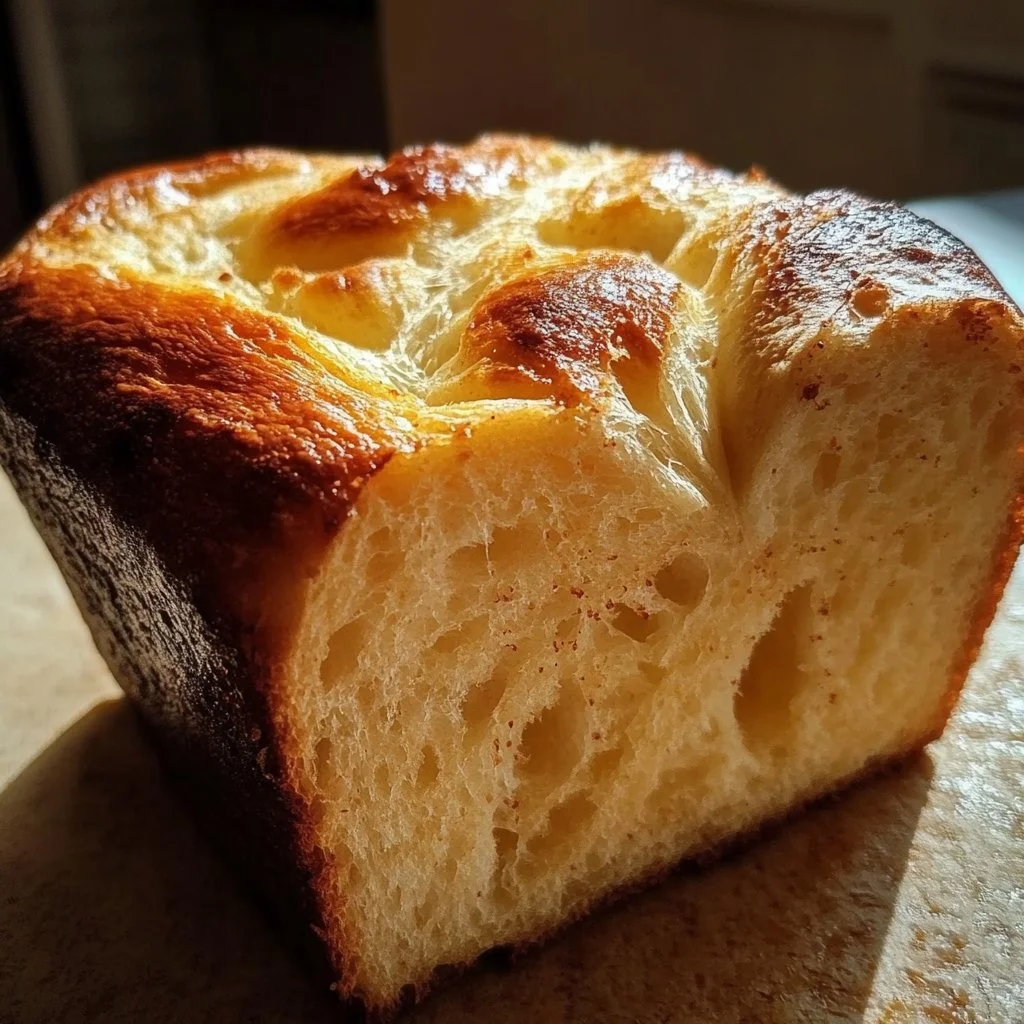
Are you searching for a delightful way to express your feelings this Valentine’s Day? Look no further than Valentine’s Bread! This charming recipe not only captivates with its eye-catching heart shape but also delights with its sweet, buttery flavor. Imagine pulling a warm loaf from the oven, its sweet aroma filling your kitchen, and sharing it with someone special. Isn’t that what love is all about?
What sets Valentine’s Bread apart is its beautiful color and unique presentation, making it the perfect treat for celebrating love. Whether you are planning a romantic dinner, a cozy breakfast, or simply want to impress your friends, this bread is your go-to recipe. It’s an opportunity to show your affection through the timeless art of baking.
Many may think baking bread is a daunting task, but Valentine’s Bread is simple to master. With just a handful of ingredients, you’ll create something memorable that can elevate any occasion. What’s more, the red food coloring adds a fun twist, making it not just tasty but visually appealing. So, gather your ingredients, and let’s explore why Valentine’s Bread deserves a spot in your culinary repertoire!
Key Benefits of Valentine’s Bread
Why You’ll Love This Recipe
- Flavorful Delight: Sweet and buttery, perfect for any palate.
- Easy to Make: Simple steps guide you through the process.
- Visually Stunning: Heart-shaped and colorful, perfect for celebrations.
- Versatile: Great for breakfast, snacks, or dessert.
- Customizable: Add your favorite toppings or fillings.
- Meaningful Gesture: A loving homemade gift for anyone special.
What Makes It Stand Out
This isn’t your ordinary bread; Valentine’s Bread is a heartfelt creation that stands out because of its unique shape and optional color. The heart shape not only makes it festive but also adds sentimental value, making any meal feel special. You can customize it further with sprinkles, chocolate drizzle, or even fillings, making it adaptable to various palates and preferences.
Moreover, Valentine’s Bread shines in its versatility. While it’s traditionally associated with Valentine’s Day, it can be made for anniversaries, birthdays, or any occasion where you want to bring a smile to someone’s face. This bread encapsulates love in every bite and transforms ordinary moments into memories.
Ingredients for Valentine’s Bread
Complete Ingredient List with Measurements
- 2 ¼ teaspoons active dry yeast
- ½ cup warm milk
- ¼ cup sugar
- ¼ cup unsalted butter, softened
- ½ teaspoon salt
- 1 large egg
- 3 ½ cups all-purpose flour
- ¼ cup red food coloring (optional)
- ½ cup icing sugar (for glaze)
- 1-2 tablespoons milk (for glaze)
Substitutes and Alternatives
If you’re looking for alternatives due to allergies or dietary needs, you can experiment creatively. For those avoiding gluten, using a gluten-free all-purpose flour blend may work, although the texture may vary. If dairy is an issue, non-dairy milk or vegan butter can replace regular milk and butter, offering a delicious vegan version.
Sugar alternatives like coconut sugar or maple syrup can also be substitutes to cater to different dietary choices, but remember that they might slightly alter the end flavor and sweetness level.
How to Make Valentine’s Bread – Step-by-Step Directions
Step 1 – Prepare Ingredients
Start by gathering all your ingredients. Measure out the yeast, warm milk, sugar, butter, and salt. This organization ensures a smooth baking experience.
Step 2 – Activate Yeast
In a small bowl, dissolve the yeast in the warm milk. Let it sit for about 5 minutes until it becomes frothy. This step is crucial as it activates the yeast for the rising process.
Step 3 – Combine Mixtures
In a large mixing bowl, combine the sugar, softened butter, salt, the large egg, and the yeast mixture. Stir well until everything is blended smoothly.
Step 4 – Mix in Flour
Gradually add the all-purpose flour to the mixture, mixing until a dough forms. If you’re using red food coloring, now is the time to mix it in until you achieve your desired hue.
Step 5 – Knead the Dough
Transfer the dough onto a floured surface and knead it for about 5-7 minutes until you achieve a smooth and elastic texture. This process develops gluten, which is vital for bread structure.
Step 6 – First Rise
Place the kneaded dough into a greased bowl. Cover it with a clean cloth and let it rise in a warm place for about 1 hour or until it doubles in size. This is an essential step for achieving a fluffy loaf.
Step 7 – Shape the Bread
After the dough has risen, punch it down to release excess air. Shape the dough into a heart. This fun shaping adds a sweet touch for your Valentine’s Day celebration.
Step 8 – Second Rise
Place the shaped dough on a parchment-lined baking sheet. Cover lightly and allow it to rise for another 30 minutes. This second rise helps expand the dough further.
Step 9 – Preheat Oven
While the dough is rising, preheat your oven to 350°F (175°C). This ensures that your bread will have the perfect baking environment once it’s ready to go.
Step 10 – Bake the Bread
Bake the dough for 25-30 minutes or until it is golden brown. The aroma will tempt your taste buds, making it hard to wait!
Step 11 – Prepare Glaze
For the glaze, mix the icing sugar with 1-2 tablespoons of milk until you achieve a smooth consistency. Once the bread has cooled, drizzle the glaze over the top for that sweet finishing touch.
Serving Suggestions for Valentine’s Bread
Best Occasions to Serve This Dish
Valentine’s Bread is perfect for a cozy breakfast in bed or as a delightful surprise at a romantic dinner. It also makes a lovely gift for friends or family during any celebration of love. Serve it at brunch gatherings, or as a thoughtful treat for coworkers with a sweet tooth!
What to Serve With It
Pair Valentine’s Bread with a warm cup of tea or coffee for a delightful experience. You could serve it alongside fresh fruit or whipped cream to enhance the sweetness. Adding a side of chocolate spread or fruit preserves can take it to the next level.
How to Store Valentine’s Bread Properly
Best Storage Practices
To store your Valentine’s Bread, wrap it in plastic wrap or place it in an airtight container. This helps retain moisture and keeps the bread fresh. It can be stored at room temperature for a couple of days.
Reheating and Freezing Tips
If you have leftovers, you can freeze them! Simply wrap the bread tightly in plastic wrap and then in aluminum foil before placing it in the freezer. To enjoy later, thaw it in the refrigerator overnight, then warm it in the oven for a few minutes.
Tips & Tricks for Valentine’s Bread
Mistakes to Avoid
- Skipping the Yeast Proofing: Always activate your yeast to ensure a good rise.
- Over-Kneading: Knead just enough until smooth; overdoing it can lead to tough bread.
- Ignoring Temperature: Ensure the milk is warm but not hot to activate the yeast effectively.
- Insufficient Rising Time: Allow the dough to rise adequately for the best texture.
- Not Measuring Ingredients Accurately: Accurate measurements are key to successful baking.
Extra Tips for Better Results
To enhance flavor, consider adding spices like cinnamon or nutmeg. For a richer color, you can use beet juice instead of artificial food coloring. For an eye-catching presentation, sprinkle some colored sprinkles on top of the glaze.
Recipe Variations of Valentine’s Bread
Creative Twists
- Cheese-Stuffed Center: Incorporate your favorite cheese in the middle for a savory touch to balance the sweetness.
- Chocolate Chip Addition: Fold in chocolate chips before the second rise for a delightful surprise in each bite.
- Cinnamon Swirl: Roll the dough with a mixture of cinnamon and sugar to create a lovely cinnamon swirl bread.
Dietary Adjustments
For a vegan version, substitute milk with almond or soy milk and use a flax egg instead of a regular egg. For gluten-free options, make sure to use a high-quality gluten-free flour blend.
Conclusion about Valentine’s Bread
Valentine’s Bread offers not just a delicious treat but also an opportunity to express love through baking. It’s a beautiful embodiment of affection that shows how much you care for someone. With its impressive heart shape and delightful flavors, it can brighten any day. Whether you share it with a partner, friends, or family, this bread creates heartwarming moments. Bringing warmth and sweetness into your kitchen, Valentine’s Bread is definitely worth a try this season.
FAQs about Valentine’s Bread
Can I make Valentine’s Bread ahead of time?
Yes, you can prepare the dough a day in advance. Let it rise in the fridge overnight, shape it the next day, and proceed with the second rise before baking.
How do I store leftover Valentine’s Bread?
Wrap it tightly in plastic wrap or place it in an airtight container to keep it fresh at room temperature for a couple of days.
Can I freeze Valentine’s Bread?
Absolutely! Freeze it wrapped tightly in plastic wrap and aluminum foil. Thaw in the refrigerator overnight when you wish to enjoy it again.
How can I adjust this recipe for dietary restrictions?
You can use gluten-free flour for a gluten-free version or swap dairy ingredients for non-dairy alternatives to make it vegan.
What if I don’t have warm milk?
You can warm milk in the microwave or on the stove. Ensure it’s warm to the touch, around 110°F (43°C), but not hot enough to kill the yeast.
How long does it take to rise?
The first rise takes about 1 hour until it doubles in size, and the second rise takes around 30 minutes.
Can I add other flavors to the dough?
Certainly! You can enhance flavors by adding spices like vanilla or almond extract.
What types of glaze can I use?
You can use chocolate or cream cheese glaze for a deliciously different finishing touch.
Is it necessary to use red food coloring?
No, the red food coloring is optional. You can skip it and enjoy the natural color of the bread.
How can I tell if the bread is fully baked?
The bread should be golden brown and sound hollow when tapped on the bottom. A thermometer should read around 190°F (88°C) in the center.
Valentine’s Bread
Ingredients
Dough Ingredients
- 2 ¼ teaspoons active dry yeast Ensure the yeast is fresh.
- ½ cup warm milk Temperature should be around 110°F (43°C).
- ¼ cup sugar Granulated white sugar.
- ¼ cup unsalted butter, softened Use at room temperature.
- ½ teaspoon salt Enhances flavor.
- 1 large egg At room temperature.
- 3 ½ cups all-purpose flour For best results, spoon and level the flour.
- ¼ cup red food coloring Optional for color.
Glaze Ingredients
- ½ cup icing sugar Powdered sugar for glaze.
- 1-2 tablespoons milk Add until desired consistency is reached.


Instructions
Preparation
- Gather all your ingredients.
- In a small bowl, dissolve the yeast in the warm milk and let it sit for about 5 minutes.
- In a large mixing bowl, combine sugar, softened butter, salt, egg, and the yeast mixture.
- Mix well until everything is blended smoothly.
- Gradually add flour, mixing until a dough forms. If using, mix in red food coloring.
- Transfer the dough onto a floured surface and knead for 5-7 minutes until smooth and elastic.
Rising
- Place the kneaded dough in a greased bowl, cover with a cloth, and let it rise in a warm place for about 1 hour, or until doubled in size.
- After it rises, punch the dough down, shape into a heart, and place on a parchment-lined baking sheet.
- Cover lightly and allow it to rise for another 30 minutes.
Baking
- Preheat the oven to 350°F (175°C).
- Bake the bread for 25-30 minutes or until golden brown.
- For the glaze, mix icing sugar with milk until smooth and drizzle over the cooled bread.